Thinking about refinancing your mortgage? A smart refinance mortgage loan rate comparison can save you thousands. Let’s break down how to find the best rates, cut costs, and boost your financial freedom—with real strategies that work.




Understanding Refinance Mortgage Loan Rate Comparison

Refinancing your home loan isn’t just about swapping one mortgage for another—it’s a strategic financial move. At the heart of this decision lies the refinance mortgage loan rate comparison, a process that helps homeowners identify the most favorable interest rates and terms available in today’s market. With mortgage rates fluctuating daily, timing and research are critical.
What Is a Mortgage Refinance?
Mortgage refinancing involves replacing your current home loan with a new one, typically under better terms. Borrowers refinance to lower monthly payments, reduce the loan term, switch from an adjustable-rate to a fixed-rate mortgage, or tap into home equity.
- It resets your loan timeline, often to a new 15- or 30-year term.
- It may require closing costs, typically 2% to 5% of the loan amount.
- It can improve cash flow or long-term savings, depending on the rate and term.
Why Rate Comparison Matters
Even a 0.5% difference in interest rates can save or cost you tens of thousands over the life of the loan. A thorough refinance mortgage loan rate comparison ensures you’re not overpaying. For example, on a $300,000 loan:
- At 6.0% over 30 years: Total interest = ~$347,000
- At 5.5% over 30 years: Total interest = ~$316,000
- Savings: $31,000—just from a half-point drop.
“The biggest mistake homeowners make is accepting the first rate they’re offered. Always shop around—rates can vary significantly between lenders.” — Consumer Financial Protection Bureau (CFPB)
Key Factors That Influence Refinance Rates
Before diving into a refinance mortgage loan rate comparison, it’s essential to understand the variables that determine the rates you qualify for. These factors are dynamic and personalized, meaning your financial profile plays a major role in the offers you receive.
Credit Score and Financial Health
Your credit score is one of the most influential factors in determining your refinance rate. Lenders use it to assess risk. Generally:
- 740+ (Excellent): Best available rates
- 700–739 (Good): Competitive rates
- 680–699 (Fair): Higher rates, limited options
- Below 680 (Poor): May struggle to qualify or face significantly higher APRs
Improving your score before applying—by paying down debt, correcting errors, or avoiding new credit—can lead to better offers during your refinance mortgage loan rate comparison.
Loan-to-Value Ratio (LTV)
LTV measures how much you owe relative to your home’s current market value. It’s calculated as:
LTV = (Current Mortgage Balance / Appraised Home Value) × 100
- LTV under 80%: Qualifies for better rates and avoids private mortgage insurance (PMI)
- LTV over 90%: May face higher rates or denial
- Lower LTV = less risk for lenders = better refinance terms
For instance, if your home is worth $400,000 and you owe $300,000, your LTV is 75%, which is favorable.
Debt-to-Income Ratio (DTI)
DTI compares your monthly debt payments to your gross monthly income. Lenders prefer a DTI below 43%, though some programs allow up to 50%.
- DTI under 36%: Ideal for securing the lowest rates
- DTI 37–43%: Acceptable, but may limit options
- DTI over 43%: May require compensating factors like high credit score or large reserves
Reducing credit card balances or delaying large purchases before applying can improve your DTI and strengthen your refinance mortgage loan rate comparison results.
How to Conduct a Refinance Mortgage Loan Rate Comparison
A successful refinance mortgage loan rate comparison isn’t just about finding the lowest advertised rate—it’s about evaluating the full picture. Here’s a step-by-step guide to ensure you’re comparing apples to apples.
Gather Your Financial Documents
Before contacting lenders, prepare the necessary documentation to speed up the process and ensure accurate quotes:
- Recent pay stubs (last 30 days)
- W-2s and tax returns (last two years)
- Bank and investment account statements
- Current mortgage statement
- Photo ID and Social Security number
Having these ready allows lenders to provide personalized rate quotes instead of generic estimates.
Shop at Least 3 to 5 Lenders
Never settle for the first offer. According to the CFPB, borrowers who compare multiple lenders save an average of $1,500 in closing costs and secure better rates. Include a mix of:
- Traditional banks (e.g., Bank of America)
- Credit unions (e.g., PenFed Credit Union)
- Online lenders (e.g., SoFi, LendingTree)
- Mortgage brokers
Each lender has different pricing models, investor pools, and fee structures—so rates can vary widely even for the same borrower.
Compare APR, Not Just Interest Rate
The Annual Percentage Rate (APR) includes both the interest rate and lender fees, giving a more accurate picture of the loan’s total cost. For example:
- Lender A: 5.25% interest rate, 5.5% APR
- Lender B: 5.30% interest rate, 5.4% APR
In this case, Lender B may actually be cheaper despite the slightly higher interest rate. Always use APR when conducting a refinance mortgage loan rate comparison.
Types of Refinancing Options to Evaluate
Not all refinances are the same. Your financial goals will determine which type makes the most sense. During your refinance mortgage loan rate comparison, consider these common options.
Rate-and-Term Refinance
This is the most common type, where you refinance to get a better interest rate or change the loan term without tapping into your home’s equity.
- Goal: Lower monthly payment or shorten loan term
- No cash out—loan amount is similar to current balance
- Ideal for those who want to save on interest or pay off the home faster
For example, switching from a 30-year to a 15-year mortgage at a lower rate can save tens of thousands in interest, though monthly payments may increase.
Cash-Out Refinance
A cash-out refinance allows you to borrow more than you owe and take the difference in cash. This is often used for home improvements, debt consolidation, or major expenses.
- Typically limited to 80% of your home’s value
- Higher interest rates than rate-and-term refinances
- Increases total loan balance and may extend repayment period
For instance, if your home is worth $500,000 and you owe $300,000, you might refinance for $400,000 and receive $100,000 in cash (minus closing costs).
Streamline Refinance (for Government Loans)
Available for FHA, VA, and USDA loans, streamline refinancing reduces paperwork and underwriting requirements.
- FHA Streamline: No appraisal or credit check required in many cases
- VA IRRRL (Interest Rate Reduction Refinancing Loan): Designed to lower rates with minimal documentation
- USDA Streamline Assist: For rural property owners with existing USDA loans
These programs often result in faster closings and lower costs, making them ideal for borrowers seeking a quick refinance mortgage loan rate comparison with minimal hassle.
Timing Your Refinance Right
The best time to refinance depends on market conditions, your personal finances, and long-term goals. Conducting a refinance mortgage loan rate comparison at the right moment can maximize your savings.
Monitor Mortgage Rate Trends
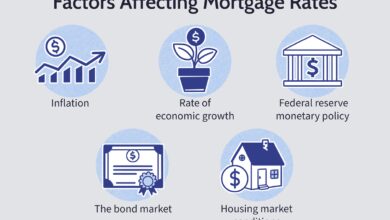
Mortgage rates are influenced by the bond market, inflation, and Federal Reserve policy. Use trusted sources like:
When 30-year fixed rates drop more than 0.75% below your current rate, it’s often worth exploring a refinance.
Break-Even Point Analysis
The break-even point is when your monthly savings equal the total closing costs. Calculate it as:
Break-Even Point (in months) = Total Closing Costs / Monthly Savings
- Closing costs: $6,000
- Monthly savings: $200
- Break-even: 30 months (2.5 years)
If you plan to stay in your home longer than the break-even period, refinancing makes financial sense. If not, you may not recoup your costs.
Avoid Refinancing Too Frequently
While tempting, refinancing every time rates drop can backfire due to recurring closing costs. Each refinance resets your amortization schedule, meaning you start paying mostly interest again in the early years.
- Wait for a significant rate drop (at least 0.5%–1.0%)
- Consider how long you’ll stay in the home
- Factor in opportunity cost—could the money be better used elsewhere?
A strategic refinance mortgage loan rate comparison every few years is smarter than frequent refinancing.
Hidden Costs and Fees to Watch For
When comparing refinance offers, don’t just focus on the interest rate. Hidden fees can erode your savings. A detailed refinance mortgage loan rate comparison must include a close look at all associated costs.
Common Closing Costs
Refinancing isn’t free. Typical closing costs include:
- Appraisal fee: $500–$700
- Origination fee: 0.5%–1.5% of loan amount
- Title search and insurance: $1,000–$2,500
- Credit report fee: $30–$50
- Recording fees: $100–$500
- Underwriting fee: $500–$1,000
These can total $5,000 to $10,000 on a $300,000 loan. Always ask lenders for a Loan Estimate form within three days of application—it breaks down all fees.
No-Closing-Cost Refinances: Are They Worth It?
Some lenders offer “no-closing-cost” refinances, but there’s a catch: they roll the fees into the loan balance or charge a higher interest rate.
- Example: Instead of paying $6,000 upfront, the lender increases your rate from 5.5% to 5.8%
- You save cash now but pay more in interest over time
- Best for borrowers who plan to sell or refinance again soon
Run the numbers carefully. In many cases, paying closing costs upfront leads to greater long-term savings.
Prepayment Penalties and Loan Assumptions
Check your current mortgage for prepayment penalties—fees charged if you pay off the loan early. While rare in standard loans, they exist in some adjustable-rate or subprime mortgages.
- Typically 2%–3% of the outstanding balance
- May apply only within the first 2–3 years of the loan
Also, confirm whether your new loan allows assumptions (transferring the loan to a buyer), which can be a selling point if you decide to move.
Leveraging Technology for Better Rate Comparisons
Today’s digital tools make refinance mortgage loan rate comparison faster and more transparent than ever. Use these resources to your advantage.
Online Rate Aggregators
Websites like Zillow, LendingTree, and NerdWallet allow you to input your financial details once and receive multiple prequalified offers.
- Compare rates, terms, and fees side-by-side
- Many provide soft credit checks (no impact on credit score)
- Save time by avoiding repeated applications
Just be cautious of aggressive marketing—some platforms sell your data to lenders.
Mortgage Calculators and Savings Tools
Use online calculators to estimate savings, break-even points, and total costs. Recommended tools include:
These tools help you visualize the long-term impact of different scenarios during your refinance mortgage loan rate comparison.
Mobile Apps and Digital Lenders
Fintech lenders like Rocket Mortgage, Better.com, and UWM offer fully digital experiences with faster processing times.
- Apply from your phone or tablet
- Upload documents instantly
- Receive decisions in days, not weeks
While convenient, ensure you read the fine print and compare their offers with traditional lenders.
Common Mistakes to Avoid in Refinance Mortgage Loan Rate Comparison
Even with the best intentions, borrowers often make costly errors. Avoid these pitfalls to ensure your refinance mortgage loan rate comparison leads to real savings.
Not Checking Your Credit Report First
Errors on your credit report can lower your score and hurt your rate. Obtain free reports from AnnualCreditReport.com and dispute inaccuracies at least 30 days before applying.
- Look for incorrect late payments, duplicate accounts, or fraudulent activity
- Fixing errors can boost your score and improve loan terms
Ignoring the Long-Term Impact
Lower monthly payments are tempting, but extending your loan term can cost more in the long run. For example:
- Current loan: 20 years remaining at $1,800/month
- New loan: 30-year term at $1,400/month
- Saving $400/month but paying interest for 10 extra years
Always consider total interest paid, not just monthly cash flow.
Failing to Negotiate Fees
Many closing costs are negotiable. Ask lenders to waive or reduce:
- Origination fees
- Application fees
- Document preparation fees
Some lenders will match or beat a competitor’s offer if you present a better deal. Don’t be afraid to ask.
What is a refinance mortgage loan rate comparison?
A refinance mortgage loan rate comparison is the process of evaluating interest rates, fees, and terms from multiple lenders to find the most cost-effective option for replacing your existing home loan. It helps homeowners save money on monthly payments and total interest over the life of the loan.
How many lenders should I compare for a refinance?
Experts recommend comparing offers from at least 3 to 5 lenders. This ensures you get a competitive rate and favorable terms. Using online platforms like LendingTree or Bankrate can streamline this process with minimal impact on your credit score.
When is the best time to refinance my mortgage?
The best time to refinance is when interest rates are at least 0.5% to 1.0% lower than your current rate, you plan to stay in your home beyond the break-even point, and your financial situation (credit score, LTV, DTI) qualifies you for favorable terms.
Can I refinance with bad credit?
Yes, but your options will be limited and rates higher. Some government-backed programs (like FHA or VA) offer more flexible credit requirements. Improving your credit score before applying can significantly improve your refinance terms.
Do I need an appraisal for a refinance?
In most cases, yes. Lenders require an appraisal to confirm your home’s current market value for loan-to-value calculations. However, some streamline refinance programs (like VA IRRRL or FHA Streamline) may waive the appraisal requirement.
Conducting a thorough refinance mortgage loan rate comparison is one of the most powerful financial moves a homeowner can make. By understanding the factors that influence rates, shopping multiple lenders, and evaluating both short-term savings and long-term costs, you can make an informed decision that aligns with your goals. Whether you’re aiming to lower monthly payments, shorten your loan term, or tap into home equity, the key is to compare APRs, watch for hidden fees, and avoid common pitfalls. With the right strategy and tools, you can save thousands of dollars and gain greater control over your financial future.
refinance mortgage loan rate comparison – Refinance mortgage loan rate comparison menjadi aspek penting yang dibahas di sini.
Further Reading: