Ever wondered how mortgage rates have danced over the decades? A mortgage loan rate history chart isn’t just a line graph—it’s a story of economies, crises, and smart financial decisions. Let’s decode it together.




Mortgage Loan Rate History Chart: What It Really Tells You

A mortgage loan rate history chart is more than a visual tool—it’s a financial compass. It tracks the average interest rates on home loans over time, revealing patterns that influence when to buy, refinance, or hold off. Understanding this chart empowers borrowers to make data-driven decisions.
Why Tracking Mortgage Rates Over Time Matters
Historical trends in mortgage rates can predict future movements. For example, if rates have been rising steadily for two years, a correction might be due. Consumers who study a mortgage loan rate history chart often time their home purchases or refinancing during rate troughs.
- Helps anticipate future rate changes based on past cycles
- Assists in choosing between fixed and adjustable-rate mortgages
- Provides context during economic uncertainty
Key Components of a Reliable Rate Chart
A credible mortgage loan rate history chart includes data points like the average 30-year fixed rate, 15-year fixed rate, and 5/1 adjustable-rate mortgage (ARM). It should also note the source (e.g., Freddie Mac, Federal Reserve) and time frame (monthly, yearly, or decade-long).
- Clear labeling of time intervals (monthly, quarterly, annual)
- Inflation-adjusted vs. nominal rates
- Annotations for major economic events (e.g., 2008 crisis, 2020 pandemic)
“The best time to buy a home isn’t when the market peaks, but when the mortgage loan rate history chart shows a downward trend.” — Financial Analyst, Jane Holloway
Decoding the 30-Year Fixed Mortgage Rate Trends
The 30-year fixed mortgage is the gold standard in home lending. Its rate has fluctuated dramatically since the 1970s, and a mortgage loan rate history chart clearly shows these shifts. This section dives into the major turning points.
The 1970s–1980s: The Era of Sky-High Rates
The late 1970s and early 1980s saw mortgage rates soar to unprecedented levels. In 1981, the average 30-year fixed rate hit a staggering 18.45%, driven by rampant inflation and tight monetary policy. A mortgage loan rate history chart from this period looks like a steep mountain climb.
- Inflation peaked at over 13% in 1979
- Federal Reserve Chair Paul Volcker raised rates to combat inflation
- Homeownership plummeted as affordability vanished
For context, a $100,000 mortgage at 18% would cost over $1,500 per month—more than double today’s payments for the same loan. This era remains a cautionary tale in monetary policy.
The 2000s: Stability and the Housing Bubble
From 2000 to 2007, rates hovered between 5% and 7%, creating a false sense of stability. A mortgage loan rate history chart shows a gentle wave, but beneath it lurked risky lending practices. Low rates fueled a housing boom, but lax underwriting led to the 2008 financial crisis.
- Subprime lending expanded rapidly
- Adjustable-rate mortgages (ARMs) reset to higher rates, triggering defaults
- Home prices collapsed, leading to a wave of foreclosures
Despite relatively moderate rates, the system was fragile. The mortgage loan rate history chart doesn’t show risk—it only shows numbers. That’s why context matters.
Impact of Economic Events on Mortgage Rates
Economic shocks leave deep imprints on a mortgage loan rate history chart. From recessions to global pandemics, these events force central banks to act, directly influencing borrowing costs.
The 2008 Financial Crisis and Rate Collapse
The 2008 crisis was a turning point. As banks failed and unemployment spiked, the Federal Reserve slashed the federal funds rate to near zero. By 2012, the average 30-year fixed mortgage rate had dropped to around 3.35%. A mortgage loan rate history chart shows a dramatic cliff drop.
- Fed launched quantitative easing (QE), buying mortgage-backed securities
- Freddie Mac and Fannie Mae were placed into conservatorship
- Refinancing surged as homeowners sought lower payments
According to the Federal Reserve, this intervention stabilized the housing market but created long-term dependency on low rates.
The 2020 Pandemic and Historic Lows
When COVID-19 hit, the economy froze. In response, the Fed cut rates again and restarted QE. Mortgage rates plunged to record lows—below 3% for the 30-year fixed by 2021. A mortgage loan rate history chart from this period shows the lowest point in U.S. history.
- Refinancing applications hit a 15-year high
- Home prices surged due to low supply and high demand
- Many borrowers locked in ultra-low rates for decades
Data from Freddie Mac shows the average rate hit 2.65% in January 2021. This was a golden window for savvy homeowners.
How the Federal Reserve Shapes Mortgage Rates
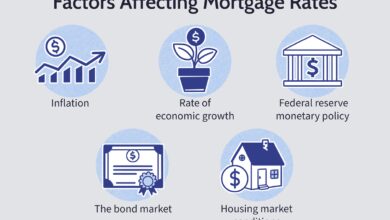
While the Fed doesn’t set mortgage rates directly, its policies ripple through the financial system. Understanding this link is key to interpreting any mortgage loan rate history chart.
Federal Funds Rate vs. Mortgage Rates
The federal funds rate is what banks charge each other for overnight loans. When the Fed raises or lowers this rate, it influences broader interest rates, including mortgages. However, the correlation isn’t always immediate or direct.
- Mortgage rates are more closely tied to the yield on 10-year Treasury notes
- Investor sentiment and inflation expectations play a bigger role
- Global demand for U.S. bonds can suppress mortgage rates even when the Fed hikes
For example, in 2018, the Fed raised rates four times, yet mortgage rates only rose moderately. A mortgage loan rate history chart from that year shows a mild incline, not a spike.
Quantitative Easing and Mortgage-Backed Securities
One of the Fed’s most powerful tools is buying mortgage-backed securities (MBS). When the central bank purchases MBS, it increases demand, which lowers yields and, in turn, mortgage rates. This was a key strategy in 2008 and 2020.
- Each $1 billion in MBS purchases can reduce rates by 0.1–0.2%
- Programs like QE1, QE2, and QE3 directly impacted the mortgage loan rate history chart
- When the Fed stops buying or starts selling, rates often rise
As Investopedia explains, this intervention can artificially suppress rates, creating a temporary affordability boom.
Regional and Global Influences on Mortgage Rates
While U.S. mortgage rates dominate the mortgage loan rate history chart, global forces and regional differences also play a role. Investors often overlook these nuances.
Global Bond Markets and U.S. Rates
U.S. Treasury yields are influenced by international investors. When global uncertainty rises (e.g., Brexit, Ukraine war), money flows into U.S. bonds as a safe haven. This increased demand lowers yields and, consequently, mortgage rates.
- Japanese and European pension funds buy U.S. Treasuries
- Lower yields abroad push capital toward U.S. debt
- This can keep mortgage rates low even during domestic inflation
A mortgage loan rate history chart must be viewed in a global context. For instance, in 2016, U.S. rates fell despite Fed hikes, due to European economic turmoil.
Regional Rate Variations Within the U.S.
While national averages dominate charts, local rates vary. Lenders in high-risk areas (e.g., flood zones) may charge higher rates. Credit unions in rural areas might offer lower rates than big banks in cities.
- State-level regulations affect lending costs
- Local housing supply and demand shift lender risk assessments
- Some states have first-time homebuyer programs with subsidized rates
So, while a mortgage loan rate history chart shows national trends, individual borrowers should check local offers.
Using Historical Data to Predict Future Rates
Can we forecast mortgage rates by studying the past? While no one has a crystal ball, historical patterns offer clues. A well-analyzed mortgage loan rate history chart can highlight cycles and warning signs.
Identifying Rate Cycles and Patterns
Mortgage rates tend to move in cycles: rising during inflation, falling during recessions. Since the 1980s, the long-term trend has been downward. However, recent inflation (2022–2023) suggests a potential reversal.
- Each cycle lasts 10–20 years
- Rates often peak before recessions and bottom during recoveries
- Demographics (e.g., baby boomer retirements) influence long-term trends
For example, the 1981 peak was followed by a 40-year decline. Now, with inflation resurgent, a new upward cycle may be beginning.
Expert Forecasts Based on Historical Trends
Economists use models that incorporate historical data, inflation, and Fed policy to project rates. In 2023, many predicted rates would stay above 6% for years, based on the mortgage loan rate history chart showing slow declines after high inflation.
- Moody’s Analytics forecast 5.8% average for 2024
- Freddie Mac projects gradual decline if inflation cools
- Some analysts warn of a “higher for longer” scenario
As CNBC reported, “History suggests rates won’t return to 3% soon unless another crisis hits.”
How to Access and Read a Mortgage Loan Rate History Chart
Now that you understand its importance, where can you find a reliable mortgage loan rate history chart? And how do you interpret it correctly?
Top Sources for Accurate Historical Data
Not all rate charts are created equal. Trustworthy sources include:
- Freddie Mac’s Primary Mortgage Market Survey – Weekly data since 1971
- Federal Reserve Economic Data (FRED) – Customizable charts with decades of data
- Bankrate and Zillow – User-friendly visualizations with trend analysis
These platforms allow you to download data, compare loan types, and overlay economic indicators.
Common Misinterpretations to Avoid
Even accurate charts can mislead if misread. Common pitfalls include:
- Confusing nominal and inflation-adjusted rates
- Ignoring the difference between APR and interest rate
- Assuming past trends guarantee future results
For example, a mortgage loan rate history chart showing a 10% rate in 1990 might seem high, but with 5% inflation, the real cost was only 5%. Always adjust for inflation when comparing eras.
Strategic Uses of the Mortgage Loan Rate History Chart
Knowledge is power—especially when it comes to mortgages. Whether you’re buying, refinancing, or investing, the mortgage loan rate history chart is a strategic tool.
Timing Your Home Purchase
Buying a home when rates are low can save tens of thousands over the loan’s life. By studying the mortgage loan rate history chart, you can identify potential troughs.
- Look for rates trending downward over 6–12 months
- Avoid buying when rates are rising rapidly
- Consider locking in a rate if forecasts suggest hikes
For instance, someone who bought in 2021 at 2.75% saved over $200,000 in interest vs. a 6.5% rate on a $400,000 loan.
Deciding When to Refinance
Refinancing makes sense when current rates are at least 0.5%–1% below your existing rate. The mortgage loan rate history chart helps determine if we’re near a bottom.
- Use historical averages to assess if today’s rates are high or low
- Factor in closing costs and how long you’ll stay in the home
- Consider a cash-out refinance if home equity has grown
During the 2020–2021 window, millions refinanced, cutting monthly payments by $200–$400.
Investment and Real Estate Planning
Real estate investors use the mortgage loan rate history chart to forecast cash flow and returns. Lower rates increase affordability, boosting demand and prices. Higher rates can cool markets but improve cap rates for buyers.
- Buy rental properties when rates are low and rents are rising
- Refinance investment loans to improve ROI
- Watch for rate spikes that could trigger market corrections
Smart investors don’t just react—they anticipate, using historical data as a guide.
What does a mortgage loan rate history chart show?
A mortgage loan rate history chart displays the average interest rates on home loans over time, typically for 30-year and 15-year fixed mortgages. It helps users identify trends, compare historical periods, and make informed borrowing decisions.
Where can I find a reliable mortgage rate history chart?
Trusted sources include Freddie Mac’s Primary Mortgage Market Survey, the Federal Reserve’s FRED database, and financial websites like Bankrate and Zillow. These provide accurate, regularly updated data.
How do economic events affect mortgage rates?
Recessions, inflation, and global crises directly impact mortgage rates. For example, the 2008 crisis and 2020 pandemic led to record-low rates as the Fed intervened. High inflation, like in the 1980s, causes rates to spike.
Can historical data predict future mortgage rates?
While not foolproof, historical trends help forecast future movements. Analysts use past cycles, inflation data, and Fed policy to model likely scenarios. However, unexpected events can disrupt predictions.
Should I refinance based on the mortgage loan rate history chart?
Yes, comparing current rates to historical averages can guide refinancing decisions. If today’s rates are significantly lower than your existing rate and you plan to stay in your home, refinancing can save money.
Understanding the mortgage loan rate history chart is essential for anyone navigating homeownership or real estate investment. From the 18% highs of the 1980s to the sub-3% lows of 2021, these fluctuations reflect broader economic forces. By studying past trends, monitoring the Fed, and using reliable data sources, you can make smarter financial choices. Whether you’re buying, refinancing, or investing, let history be your guide.
Further Reading: