Navigating the world of home financing? Low interest mortgage loans can be your golden ticket to owning a home without breaking the bank. Discover how to secure the best rates and save big today.




Understanding Low Interest Mortgage Loans
Low interest mortgage loans are home loans offered at below-average interest rates, significantly reducing the total cost of borrowing over time. These loans are highly sought after because they lower monthly payments and overall interest paid, making homeownership more affordable and financially sustainable.
What Defines a ‘Low’ Interest Rate?
A ‘low’ interest rate is relative and depends on current market conditions, economic trends, and central bank policies. As of 2024, a rate below 6% for a 30-year fixed mortgage is generally considered low, especially when compared to historical averages above 7%. However, during periods of economic stimulus or low inflation, rates can dip below 4%, making those periods ideal for locking in long-term savings.
- Rates below 6% are typically seen as favorable in today’s market.
- Historical averages in the U.S. have hovered around 7.7% since the 1970s.
- Refinancing during rate drops can save homeowners tens of thousands.
“A 1% reduction in your mortgage rate can save over $30,000 on a $300,000 loan over 30 years.” — Consumer Financial Protection Bureau (CFPB)
Types of Low Interest Mortgage Loans
Not all low interest mortgage loans are created equal. Different loan types offer varying terms, eligibility requirements, and interest structures. Understanding these options helps borrowers choose the most suitable product for their financial situation.
- Fixed-Rate Mortgages: Offer stable interest rates for the life of the loan (typically 15 or 30 years), ideal for long-term budgeting.
- Adjustable-Rate Mortgages (ARMs): Begin with a low introductory rate that adjusts after a set period, often 5 or 7 years. These can be risky if rates rise.
- Government-Backed Loans: Include FHA, VA, and USDA loans, which often feature lower rates and more lenient credit requirements.
For example, the CFPB explains that government-insured loans reduce lender risk, allowing them to offer lower rates to qualified borrowers.
How Low Interest Mortgage Loans Save You Money
The financial benefits of securing a low interest mortgage loan extend far beyond just lower monthly payments. These savings compound over the life of the loan, freeing up capital for investments, emergency funds, or early payoff.
Reduced Monthly Payments
Lower interest rates directly translate into smaller monthly payments. For instance, on a $350,000 mortgage:
- At 7% interest (30-year fixed): Monthly payment ≈ $2,328
- At 5% interest (30-year fixed): Monthly payment ≈ $1,879
- Difference: $449 per month, or over $161,000 saved in interest over 30 years
This kind of saving can be life-changing, especially for first-time buyers or those on tight budgets.
Long-Term Equity Growth
With lower interest, a larger portion of each payment goes toward the principal balance, accelerating equity accumulation. This faster equity growth increases your net worth and provides more flexibility for future financial moves, such as refinancing, home improvements, or downsizing.
- Early principal reduction builds wealth faster.
- Increased equity improves loan-to-value (LTV) ratio, which can eliminate private mortgage insurance (PMI).
- Homeowners with high equity can access cash-out refinancing at better terms.
“Every dollar saved on interest is a dollar earned—especially when reinvested wisely.” — Personal Finance Expert Suze Orman
Factors That Influence Mortgage Interest Rates
While lenders set mortgage rates, several macroeconomic and personal factors determine what rate you’ll qualify for. Understanding these can help you time your application and improve your chances of securing low interest mortgage loans.
Economic Conditions and Federal Policy
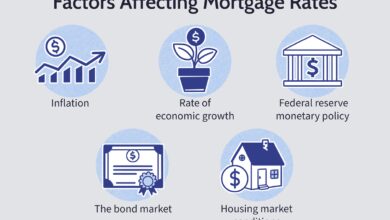
The Federal Reserve’s monetary policy plays a crucial role in shaping mortgage rates. Although the Fed doesn’t set mortgage rates directly, its benchmark interest rate (the federal funds rate) influences bond yields, which in turn affect mortgage-backed securities (MBS).
- When the Fed raises rates to combat inflation, mortgage rates typically rise.
- During economic downturns, the Fed may lower rates, prompting lenders to offer more competitive mortgage deals.
- Quantitative easing programs can keep long-term rates low by increasing demand for MBS.
For real-time updates on rate trends, the Federal Reserve’s official site provides insights into policy decisions affecting borrowing costs.
Borrower Creditworthiness
Your personal financial profile is one of the most significant factors in determining your mortgage rate. Lenders assess risk based on credit score, debt-to-income ratio (DTI), employment history, and down payment size.
- Credit scores above 740 typically qualify for the lowest rates.
- A DTI below 36% is preferred by most lenders.
- A down payment of 20% or more eliminates PMI and improves loan terms.
Improving your credit score by even 50 points can reduce your rate by 0.5% or more, translating into substantial savings.
Top Strategies to Qualify for Low Interest Mortgage Loans
Securing a low interest mortgage loan isn’t just about luck—it’s about preparation. By taking proactive steps, you can position yourself as a low-risk borrower and gain access to the best available rates.
Improve Your Credit Score
Your credit score is a primary determinant of your mortgage rate. A higher score signals reliability and reduces the lender’s perceived risk.
- Pay bills on time and reduce credit card balances.
- Avoid opening new credit accounts before applying.
- Check your credit report for errors and dispute inaccuracies via AnnualCreditReport.com.
According to FICO, borrowers with scores between 760–850 pay significantly less in interest than those with scores below 620.
Shop Around and Compare Lenders
Not all lenders offer the same rates or fees. Comparing multiple quotes helps you find the most competitive low interest mortgage loans.
- Get pre-approval from at least three different lenders (banks, credit unions, online lenders).
- Compare not just interest rates but also Annual Percentage Rate (APR), which includes fees.
- Use online tools like Zillow’s mortgage comparison tool to evaluate offers side-by-side.
Even a 0.25% difference in rate can save you thousands over the loan term.
Best Times to Lock In Low Interest Mortgage Loans
Timing your mortgage application can make a dramatic difference in the rate you receive. Economic cycles, seasonal trends, and personal readiness all play a role in determining the optimal moment to act.
Monitoring Economic Indicators
Staying informed about economic data can help you predict rate movements and apply when conditions are favorable.
- Watch inflation reports (CPI, PPI), unemployment data, and GDP growth.
- Rate hikes often follow strong economic data; downturns may prompt rate cuts.
- Markets often react to Federal Reserve meeting outcomes—schedule your application accordingly.
For instance, in 2020–2021, pandemic-related economic slowdowns led to historically low mortgage rates, with the average 30-year fixed rate dipping below 3%.
Seasonal Trends in Mortgage Rates
While rates are primarily driven by the economy, seasonal patterns can influence lender behavior.
- Spring and summer are peak home-buying seasons, often leading to slightly higher rates due to increased demand.
- Fall and winter may offer better negotiating power and lower rates as lenders try to close the year strong.
- Many lenders offer special promotions during holidays or year-end to boost volume.
Applying in November or December might give you an edge in securing low interest mortgage loans with favorable terms.
Government Programs Offering Low Interest Mortgage Loans
Various federal and state programs are designed to make homeownership more accessible through subsidized or guaranteed low interest mortgage loans. These are especially beneficial for first-time buyers, veterans, and low-to-moderate income households.
FHA Loans: Low Down Payments, Competitive Rates
Backed by the Federal Housing Administration, FHA loans require as little as 3.5% down and are accessible to borrowers with credit scores as low as 580.
- Interest rates on FHA loans are often lower than conventional loans for borrowers with lower credit.
- Mortgage insurance is required but can be removed after reaching 20% equity (for loans after June 2013).
- Available through approved lenders nationwide.
Learn more at HUD’s official homebuyer site.
VA Loans: Zero Down, Low Rates for Veterans
Available to eligible veterans, active-duty service members, and certain military spouses, VA loans are guaranteed by the U.S. Department of Veterans Affairs.
- No down payment required.
- No private mortgage insurance (PMI).
- Typically offer some of the lowest interest rates in the market.
According to the VA.gov, over 90% of VA borrowers in 2023 secured rates below 6%, with many below 5%.
USDA Loans: Rural Homeownership Made Affordable
Designed for low-to-moderate income buyers in rural areas, USDA loans offer 100% financing with low interest rates.
- No down payment required.
- Income limits apply based on household size and location.
- Annual and upfront guarantee fees are lower than typical mortgage insurance.
These loans are ideal for buyers seeking affordability in eligible rural zones.
Refinancing to Access Low Interest Mortgage Loans
Even if you already have a mortgage, refinancing can allow you to take advantage of low interest mortgage loans and reduce your monthly burden. This strategy is especially effective when market rates drop significantly.
When to Consider Refinancing
Refinancing makes financial sense when you can secure a rate at least 0.5% to 1% lower than your current one. Other triggers include:
- Improvement in credit score since original loan.
- Change in financial goals (e.g., switching from 30-year to 15-year term).
- Wanting to eliminate PMI by reaching 20% equity.
Use a refinance calculator to estimate potential savings and break-even points.
Cash-Out vs. Rate-and-Term Refinance
There are two main types of refinancing:
- Rate-and-Term Refinance: Changes the interest rate and/or loan term without altering the loan amount. Ideal for lowering payments or shortening the loan duration.
- Cash-Out Refinance: Replaces your current mortgage with a larger loan, allowing you to pocket the difference in cash. Useful for home improvements or debt consolidation, but increases total debt.
Both can leverage low interest mortgage loans, but cash-out refinancing requires sufficient home equity (typically 20% or more).
“Refinancing isn’t just about saving money—it’s about gaining control over your financial future.” — NerdWallet
Common Pitfalls to Avoid with Low Interest Mortgage Loans
While low interest mortgage loans offer tremendous benefits, borrowers must be cautious of hidden traps that can undermine long-term savings.
Ignoring Closing Costs and Fees
A low advertised rate may come with high closing costs, reducing the overall value of the deal.
- Typical closing costs range from 2% to 5% of the loan amount.
- Ask lenders for a Loan Estimate form to compare total costs.
- Consider a no-closing-cost mortgage if you plan to stay in the home short-term.
Always calculate the APR, not just the interest rate, to see the true cost of borrowing.
Falling for Teaser Rates on ARMs
Adjustable-rate mortgages often start with very low ‘teaser’ rates that reset after a few years.
- A 5/1 ARM might start at 4% but adjust annually after five years.
- If rates rise, your payment could increase dramatically.
- Only choose an ARM if you plan to sell or refinance before the adjustment period.
For long-term stability, a fixed-rate mortgage is usually safer, even if the initial rate is slightly higher.
What qualifies as a low interest mortgage loan in 2024?
In 2024, a mortgage rate below 6% for a 30-year fixed loan is generally considered low. Rates below 5% are excellent and often seen during periods of economic easing. However, what’s ‘low’ depends on current market conditions, your credit profile, and loan type.
Can I get a low interest mortgage with bad credit?
It’s challenging but not impossible. Borrowers with lower credit scores may qualify for government-backed loans like FHA or VA, which offer more lenient terms. Improving your credit score before applying can significantly increase your chances of securing a low interest mortgage loan.
How much can I save with a low interest mortgage?
Savings depend on the loan amount, term, and rate difference. For example, on a $300,000 loan, reducing your rate from 7% to 5% saves about $319 per month and over $115,000 in interest over 30 years. Even a 0.5% reduction can save tens of thousands.
Is now a good time to refinance to a low interest mortgage?
If current rates are at least 0.5% to 1% lower than your existing rate, refinancing could be worthwhile. Use a refinance calculator to determine your break-even point. Consider your long-term plans—refinancing makes the most sense if you’ll stay in the home long enough to recoup closing costs.
What’s the difference between interest rate and APR?
The interest rate is the cost of borrowing the principal amount. The Annual Percentage Rate (APR) includes the interest rate plus fees, closing costs, and other charges, giving a more accurate picture of the total loan cost. Always compare APRs when shopping for low interest mortgage loans.
Low interest mortgage loans are a powerful tool for achieving affordable homeownership and long-term financial health. By understanding how rates work, improving your credit, shopping wisely, and leveraging government programs, you can secure a loan that saves you thousands over time. Whether you’re a first-time buyer or a current homeowner looking to refinance, the strategies outlined in this guide can help you make informed decisions. Remember, the key to maximizing savings lies in preparation, timing, and awareness of available options. Take control of your mortgage journey today and unlock the full potential of low interest mortgage loans.
Further Reading: