Navigating the world of home financing can feel overwhelming, but knowing how to negotiate a lower mortgage rate can save you thousands over time. With the right preparation and confidence, you can turn a standard offer into a smarter deal.




Understand Why Mortgage Rates Are Negotiable

Many homebuyers assume mortgage rates are fixed and non-negotiable, but that’s a myth. Lenders often have flexibility, especially when competing for your business. Understanding the mechanics behind mortgage pricing is the first step in learning how to negotiate a lower mortgage rate.
How Lenders Set Their Rates
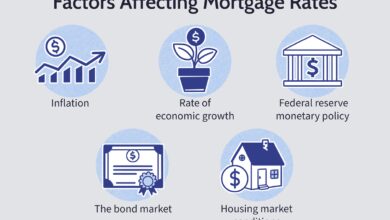
Mortgage rates are influenced by a mix of market conditions and lender-specific policies. While the Federal Reserve’s benchmark rates and bond market trends set a baseline, individual lenders add a margin to cover their costs and profit. This margin is where negotiation can come into play.
how to negotiate a lower mortgage rate – How to negotiate a lower mortgage rate menjadi aspek penting yang dibahas di sini.
- Base rates are often tied to the yield on the 10-year Treasury note.
- Lenders adjust rates based on risk, loan size, and borrower profile.
- Some lenders offer ‘par rates’ (no points) while others charge origination points to lower the rate.
According to the Federal Reserve, mortgage rates fluctuate daily, meaning timing and awareness can give you leverage.
The Role of Competition Among Lenders
Competition is your greatest ally when you want to negotiate a lower mortgage rate. With hundreds of banks, credit unions, and online lenders vying for customers, you’re in a position to play them against each other.
- Lenders often match or beat competitor offers to close the deal.
- Online platforms like Bankrate and Zillow make it easy to compare rates.
- Showing a lender a competing quote can prompt them to revise their offer.
“The best negotiating power comes from having multiple offers on the table.” — Consumer Financial Protection Bureau
How to Negotiate a Lower Mortgage Rate by Improving Your Credit Score
Your credit score is one of the most powerful tools in your mortgage negotiation arsenal. A higher score signals lower risk to lenders, which often translates into better rates.
how to negotiate a lower mortgage rate – How to negotiate a lower mortgage rate menjadi aspek penting yang dibahas di sini.
Check and Correct Your Credit Report
Before applying for a mortgage, obtain your credit reports from all three major bureaus: Equifax, Experian, and TransUnion. You can access them for free at AnnualCreditReport.com.
- Look for errors like incorrect late payments, duplicate accounts, or fraudulent activity.
- Dispute inaccuracies immediately—corrections can boost your score quickly.
- Ensure all accounts are up to date and reflect accurate balances.
Even a 20-point increase can move you into a lower rate tier.
Strategies to Boost Your Credit Score Fast
While building credit takes time, there are several fast-acting strategies to improve your score before applying:
how to negotiate a lower mortgage rate – How to negotiate a lower mortgage rate menjadi aspek penting yang dibahas di sini.
- Reduce credit card utilization: Aim to use less than 30% of your available credit, ideally under 10%.
- Become an authorized user: Ask a family member with good credit to add you to their account.
- Pay down balances strategically: Focus on high-utilization cards first.
- Avoid new credit inquiries: Don’t apply for new credit cards or loans during the mortgage process.
A FICO score above 740 typically qualifies for the best mortgage rates, so aim for that benchmark.
Shop Around and Compare Multiple Lenders
One of the most effective ways to learn how to negotiate a lower mortgage rate is to gather multiple quotes. Never settle for the first offer you receive.
Types of Lenders to Consider
Different lenders offer different advantages. Understanding their strengths helps you choose the right ones to approach.
how to negotiate a lower mortgage rate – How to negotiate a lower mortgage rate menjadi aspek penting yang dibahas di sini.
- Big Banks (e.g., Chase, Bank of America): Offer stability and in-person service but may have less flexibility.
- Credit Unions: Often provide lower rates due to nonprofit status and member-focused models.
- Online Lenders (e.g., Rocket Mortgage, SoFi): Typically faster and more tech-driven, with competitive pricing.
- Mortgage Brokers: Act as intermediaries who shop on your behalf and may access wholesale rates.
Using a mix of these can give you a well-rounded view of the market.
How to Request and Compare Loan Estimates
Under the Truth in Lending Act, lenders must provide a standardized Loan Estimate (LE) within three days of your application. This document breaks down the rate, fees, and total cost.
- Compare the Annual Percentage Rate (APR), not just the interest rate—it includes fees.
- Look at the origination charges, discount points, and closing costs.
- Ensure all quotes are based on the same loan amount, term, and credit profile.
When you have three or more LEs, you can use them as leverage to ask lenders to match or beat the best offer.
how to negotiate a lower mortgage rate – How to negotiate a lower mortgage rate menjadi aspek penting yang dibahas di sini.
Use Competing Offers to Your Advantage
Once you have multiple quotes, you’re in a strong position to negotiate. Lenders don’t want to lose a qualified borrower to a competitor.
How to Present Competing Quotes Professionally
Approach your preferred lender with a polite but firm message:
- “I received a quote from [Lender X] at [Rate]% with [Fee]% in closing costs. Can you match or beat this?”
- Provide a copy of the Loan Estimate to support your claim.
- Emphasize your strong credit and financial stability to show you’re a low-risk borrower.
Many lenders will adjust their offer to keep your business, especially if they value long-term relationships.
how to negotiate a lower mortgage rate – How to negotiate a lower mortgage rate menjadi aspek penting yang dibahas di sini.
Timing Your Negotiation for Maximum Impact
The timing of your negotiation matters. The best moments to push for a lower rate are:
- Right after receiving a better offer from another lender.
- During periods of falling interest rates—lenders may be more flexible.
- When you’re close to closing but haven’t signed final documents.
Avoid waiting until the last 48 hours, as last-minute changes can delay funding.
How to Negotiate a Lower Mortgage Rate by Paying Points
Paying discount points is a direct way to lower your interest rate. Each point typically costs 1% of the loan amount and reduces your rate by 0.25% to 0.5%, depending on the lender and market.
how to negotiate a lower mortgage rate – How to negotiate a lower mortgage rate menjadi aspek penting yang dibahas di sini.
Understanding the Break-Even Point
Before paying points, calculate how long it will take to recoup the upfront cost through lower monthly payments.
- Example: Paying $4,000 in points saves $100 per month. Break-even is 40 months (3 years, 4 months).
- If you plan to stay in the home longer than the break-even point, paying points makes financial sense.
- If you might move or refinance sooner, points may not be worth it.
Use a mortgage calculator to model different scenarios.
When Paying Points Makes Sense
Paying points is most beneficial in the following situations:
how to negotiate a lower mortgage rate – How to negotiate a lower mortgage rate menjadi aspek penting yang dibahas di sini.
- You have extra cash at closing and want to reduce long-term costs.
- Interest rates are relatively high, and you expect them to drop in the future—locking in a lower rate now can be strategic.
- You’re taking a fixed-rate mortgage and plan to stay in the home for 5+ years.
Discuss with your lender whether they offer a point-based rate reduction and get it in writing.
Improve Your Loan-to-Value and Debt-to-Income Ratios
Lenders assess risk using key financial ratios. Improving these can give you more leverage when you negotiate a lower mortgage rate.
Lowering Your Loan-to-Value (LTV) Ratio
The LTV ratio compares the loan amount to the home’s appraised value. A lower LTV means less risk for the lender.
how to negotiate a lower mortgage rate – How to negotiate a lower mortgage rate menjadi aspek penting yang dibahas di sini.
- Make a larger down payment—20% or more eliminates private mortgage insurance (PMI) and improves terms.
- If already under contract, consider increasing your down payment if cash is available.
- A higher down payment can qualify you for ‘jumbo loan’ discounts or premium pricing tiers.
For example, moving from 90% LTV to 80% can trigger a rate reduction.
Reducing Your Debt-to-Income (DTI) Ratio
Your DTI ratio is your monthly debt payments divided by gross monthly income. Most lenders prefer a DTI below 43%, but lower is better.
- Pay off credit card balances, auto loans, or personal loans before applying.
- Avoid taking on new debt during the mortgage process.
- Consolidate high-interest debt if it lowers your monthly obligations.
A DTI below 36% puts you in the top tier of borrowers and strengthens your negotiating position.
how to negotiate a lower mortgage rate – How to negotiate a lower mortgage rate menjadi aspek penting yang dibahas di sini.
How to Negotiate a Lower Mortgage Rate with a Mortgage Broker
Mortgage brokers can be powerful allies in your quest to secure a better rate. Unlike loan officers who represent a single lender, brokers work with multiple institutions.
Benefits of Using a Mortgage Broker
Brokers offer several advantages:
- Access to wholesale rates not available to the public.
- Ability to shop quietly behind the scenes without affecting your credit.
- Expertise in matching borrowers with niche lenders (e.g., for self-employed or low-credit scenarios).
- Negotiation on your behalf using competitive offers.
According to the National Association of Mortgage Brokers, borrowers who use brokers often secure rates 0.25% to 0.5% lower than those who go directly to lenders.
how to negotiate a lower mortgage rate – How to negotiate a lower mortgage rate menjadi aspek penting yang dibahas di sini.
Choosing the Right Broker
Not all brokers are created equal. To find a trustworthy one:
- Check their licensing through the NMLS Consumer Access database.
- Ask for references or read online reviews.
- Ensure they are transparent about fees—some charge origination fees, others are paid by lenders.
- Avoid brokers who push you toward loans you don’t qualify for or that seem too good to be true.
A good broker will explain all options and help you understand the trade-offs.
Additional Tactics to Secure the Best Rate
Beyond the core strategies, several lesser-known tactics can help you negotiate a lower mortgage rate.
how to negotiate a lower mortgage rate – How to negotiate a lower mortgage rate menjadi aspek penting yang dibahas di sini.
Ask for a Rate Match Guarantee
Some lenders offer rate match guarantees—if you find a lower rate elsewhere, they’ll match it. This gives you peace of mind and encourages competition.
- Ask upfront if the lender has such a policy.
- Get the guarantee in writing before proceeding.
- Be sure the competing offer meets the same terms (loan type, credit score, down payment).
Negotiate Lender Fees and Closing Costs
Even if the rate is fixed, you can often negotiate fees. These include:
- Origination fees
- Application fees
- Underwriting fees
- Processing fees
Ask the lender to waive or reduce these. Sometimes, they’ll offer a ‘no-cost’ mortgage where fees are rolled into the rate—only accept this if the long-term savings justify it.
how to negotiate a lower mortgage rate – How to negotiate a lower mortgage rate menjadi aspek penting yang dibahas di sini.
Consider Timing and Economic Trends
Mortgage rates are influenced by broader economic factors. Being aware of these can help you time your negotiation.
- Rates often drop during economic downturns or when the Fed cuts interest rates.
- They may rise during periods of high inflation or strong job growth.
- Monthly, rates tend to be lower at the end of the month when lenders are trying to meet quotas.
Subscribe to rate alerts from Freddie Mac or Mortgage News Daily to stay informed.
Can you negotiate your mortgage interest rate after closing?
how to negotiate a lower mortgage rate – How to negotiate a lower mortgage rate menjadi aspek penting yang dibahas di sini.
No, you cannot renegotiate your mortgage rate after closing unless you refinance. Once the loan is finalized, the rate is locked in. However, you can refinance later if rates drop significantly or your financial situation improves.
Is it worth it to negotiate a 0.25% lower mortgage rate?
Yes, even a 0.25% reduction can save you thousands over the life of the loan. For a $300,000 mortgage, a 0.25% lower rate saves about $15,000 in interest over 30 years. It’s always worth negotiating for even small improvements.
Do credit unions offer better rates than big banks?
Often, yes. Credit unions are member-owned and typically have lower overhead, allowing them to offer more competitive rates. However, membership requirements may apply, and service options might be more limited than big banks.
How long does it take to negotiate a mortgage rate?
The negotiation process can take anywhere from a few days to a couple of weeks, depending on how quickly lenders respond and how many quotes you gather. Starting early in the homebuying process gives you more time to compare and negotiate.
Can you negotiate a mortgage rate on a refinance?
Absolutely. The same principles apply when refinancing. Shop around, improve your credit, and use competing offers to negotiate a lower rate. Refinancing is often easier to negotiate because you already own the home and have equity.
Learning how to negotiate a lower mortgage rate is one of the smartest financial moves a homeowner can make. By improving your credit, shopping around, leveraging competition, and understanding lender incentives, you can secure a rate that saves you thousands over time. Whether you’re buying a home or refinancing, the strategies outlined—like paying points, reducing debt, and using brokers—give you the tools to succeed. The key is preparation, persistence, and knowing your worth as a borrower. With the right approach, a lower mortgage rate isn’t just possible—it’s within your reach.
Further Reading: