Navigating the world of home financing? Master how to compare mortgage loan rates with these expert-backed strategies that can save you thousands over the life of your loan.




Understand the Basics of Mortgage Loan Rates

Before diving into how to compare mortgage loan rates, it’s essential to understand what a mortgage rate actually is and how it impacts your home loan. A mortgage rate is the interest charged by a lender on the principal amount you borrow to purchase a home. This rate directly affects your monthly payment and the total cost of your loan over time.
What Is a Mortgage Interest Rate?
The mortgage interest rate is the percentage of the loan amount that a lender charges for borrowing money. It can be fixed—remaining the same for the entire loan term—or adjustable, changing periodically based on market conditions. Fixed-rate mortgages are popular for their predictability, while adjustable-rate mortgages (ARMs) may offer lower initial rates but come with future uncertainty.
- Fixed-rate mortgages: Rates stay constant for 15, 20, or 30 years.
- Adjustable-rate mortgages: Initial low rates that adjust after a set period (e.g., 5/1 ARM).
- Interest-only loans: Pay only interest for a set time, then principal and interest.
Understanding these types helps you determine which product aligns with your financial goals and risk tolerance. For more information, visit the Consumer Financial Protection Bureau’s guide on mortgage rates.
how to compare mortgage loan rates – How to compare mortgage loan rates menjadi aspek penting yang dibahas di sini.
How Rates Are Determined
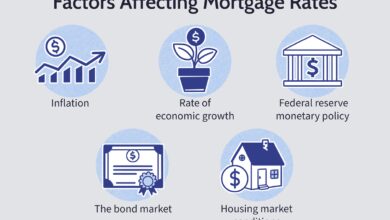
Lenders set mortgage rates based on a mix of macroeconomic factors and personal financial profiles. Key influences include:
- National economic conditions (inflation, Federal Reserve policy)
- 10-year Treasury yields (a benchmark for long-term rates)
- Your credit score and history
- Loan-to-value ratio (LTV)
- Debt-to-income ratio (DTI)
- Down payment size
“Mortgage rates are not one-size-fits-all. Two borrowers applying for the same loan product can receive different rates based on their creditworthiness.” — Mortgage Professor, The Ascent by Motley Fool
For instance, a borrower with a 780 credit score might qualify for a rate 1.5% lower than someone with a 620 score. That difference could save tens of thousands over 30 years. That’s why knowing how to compare mortgage loan rates isn’t just about shopping around—it’s about understanding what drives those numbers.
Why Comparing Mortgage Rates Is Crucial
Many homebuyers make the mistake of accepting the first rate offered, often from their longtime bank. However, failing to compare mortgage loan rates can cost you dearly. Even a 0.5% difference in your interest rate can translate into thousands of dollars in extra interest over the life of the loan.
Long-Term Financial Impact
Let’s illustrate this with an example. Suppose you’re financing a $300,000 home with a 30-year fixed mortgage:
how to compare mortgage loan rates – How to compare mortgage loan rates menjadi aspek penting yang dibahas di sini.
- At 6.0% interest: Monthly payment = $1,799; Total interest paid = $347,515
- At 5.5% interest: Monthly payment = $1,703; Total interest paid = $313,203
That 0.5% difference saves you $86 per month and over $34,000 in interest. Now imagine comparing rates across multiple lenders and finding a rate even lower—say 5.2%. The savings compound quickly. This is why learning how to compare mortgage loan rates is one of the most financially intelligent moves a homebuyer can make.
Avoiding Costly Mistakes
Without comparison, you risk:
- Overpaying due to lack of competition
- Accepting hidden fees disguised as low rates
- Missing out on better loan terms (e.g., no prepayment penalties)
- Choosing a lender with poor customer service
Some lenders advertise “teaser rates” that don’t reflect the actual APR (Annual Percentage Rate). By comparing offers side-by-side, you can spot red flags and avoid predatory lending practices. The Investopedia mortgage rate guide provides excellent tools to help you decode these offers.
Step-by-Step Guide: How to Compare Mortgage Loan Rates
Now that you understand the stakes, let’s walk through a proven, step-by-step method for comparing mortgage rates effectively. This process ensures you’re not just looking at the headline number but evaluating the full financial picture.
how to compare mortgage loan rates – How to compare mortgage loan rates menjadi aspek penting yang dibahas di sini.
1. Check and Improve Your Credit Score
Your credit score is one of the biggest factors in determining your mortgage rate. Most lenders use FICO scores, and the typical minimum for conventional loans is 620. However, to get the best rates, aim for a score of 740 or higher.
- Obtain your free credit report from AnnualCreditReport.com
- Dispute any errors with the credit bureaus
- Pay down high credit card balances to lower your utilization ratio
- Avoid opening new credit accounts before applying
Improving your score by even 20-30 points can qualify you for significantly better rates. For example, moving from a 680 to a 720 could save you 0.375% on your rate. Use tools like NerdWallet’s mortgage rate calculator to estimate potential savings.
2. Get Pre-Approved by Multiple Lenders
Pre-approval gives you a serious advantage when house hunting and provides real rate quotes to compare. Aim to get pre-approved by at least three to five lenders, including:
- Traditional banks (e.g., Chase, Bank of America)
- Credit unions (often offer lower rates)
- Online lenders (e.g., Rocket Mortgage, SoFi)
- Mortgage brokers (can access multiple wholesale lenders)
Each lender will pull your credit (a “hard inquiry”), so do this within a 14-45 day window to minimize credit score impact. Multiple inquiries for the same type of loan within this period are typically treated as a single inquiry.
how to compare mortgage loan rates – How to compare mortgage loan rates menjadi aspek penting yang dibahas di sini.
3. Compare APR, Not Just Interest Rate
One of the most common mistakes borrowers make is focusing only on the interest rate. The Annual Percentage Rate (APR) is a more accurate measure because it includes both the interest rate and additional fees like origination charges, discount points, and mortgage insurance.
- Interest Rate: Pure cost of borrowing
- APR: Total cost of the loan, including fees
For example, Lender A might offer a 5.75% interest rate with a 6.1% APR, while Lender B offers 5.9% interest but a 6.0% APR. In this case, Lender B’s loan might actually be cheaper overall despite the higher stated rate. Always compare APRs when evaluating how to compare mortgage loan rates.
Key Factors to Evaluate Beyond the Rate
When learning how to compare mortgage loan rates, remember that the lowest number isn’t always the best deal. Several other factors can affect your total cost and long-term satisfaction.
Loan Terms and Conditions
Look beyond the rate and examine the full terms of the loan:
how to compare mortgage loan rates – How to compare mortgage loan rates menjadi aspek penting yang dibahas di sini.
- Is there a prepayment penalty?
- What are the escrow requirements?
- Are there balloon payments or negative amortization?
- Can you lock in your rate, and for how long?
A 30-day rate lock might be insufficient if your closing is delayed, leading to a higher rate. Some lenders offer 60-day or even 90-day locks, sometimes for a fee. A longer lock can provide peace of mind in a volatile market.
Types of Fees and Closing Costs
Closing costs typically range from 2% to 5% of the loan amount. Common fees include:
- Origination fee (0.5%–1% of loan)
- Appraisal fee ($300–$500)
- Title insurance ($1,000–$3,000)
- Underwriting fee
- Recording fees
Ask each lender for a Loan Estimate form within three days of application. This standardized document breaks down all costs, making it easier to compare offers. If one lender has a lower rate but much higher fees, it may not be the better deal.
Customer Service and Lender Reputation
A smooth mortgage process depends heavily on your lender’s responsiveness and reliability. Check reviews on:
how to compare mortgage loan rates – How to compare mortgage loan rates menjadi aspek penting yang dibahas di sini.
- Google Reviews
- Yelp
- BBB (Better Business Bureau)
- ConsumerAffairs
Look for patterns in complaints—delays, poor communication, or hidden charges. A slightly higher rate from a highly rated lender might be worth it for a stress-free experience. The Zillow lender directory includes user ratings and reviews to help you compare.
Use Online Tools and Rate Aggregators
Technology has made it easier than ever to compare mortgage rates quickly and efficiently. Online tools can save you hours of manual research and provide real-time rate comparisons.
Top Mortgage Comparison Websites
Several reputable platforms aggregate rates from multiple lenders:
- Bankrate: Offers personalized rate quotes based on your credit profile.
- LendingTree: Allows you to submit one request and receive offers from multiple lenders.
- Quicken Loans (Rocket Mortgage): Provides instant online pre-approvals.
- Credit Karma: Gives free rate estimates without a hard credit check.
These tools are excellent starting points, but don’t rely on them exclusively. Follow up with direct lender contact to confirm details and negotiate terms.
how to compare mortgage loan rates – How to compare mortgage loan rates menjadi aspek penting yang dibahas di sini.
Rate Alerts and Market Trends
Mortgage rates fluctuate daily based on economic news, inflation data, and Federal Reserve decisions. Setting up rate alerts through services like MortgageRate.org or your lender’s website can notify you when rates drop. Understanding broader trends helps you time your application strategically.
- Rates often drop during economic uncertainty
- They tend to rise when inflation increases
- Seasonal trends: Spring and summer see higher demand and potentially tighter rates
Monitoring these patterns is a key part of how to compare mortgage loan rates effectively over time.
Work with a Mortgage Broker
A mortgage broker acts as a middleman between you and multiple lenders. Unlike a loan officer who represents one institution, a broker can shop your application across dozens of wholesale lenders to find the best possible rate and terms.
Advantages of Using a Broker
Benefits include:
how to compare mortgage loan rates – How to compare mortgage loan rates menjadi aspek penting yang dibahas di sini.
- Access to niche lenders and specialized loan programs
- Time savings—brokers do the legwork for you
- Potential for better rates due to wholesale pricing
- Expert guidance through complex financial situations
For borrowers with unique circumstances—self-employed, low credit, or high debt—a broker can be invaluable. They often have relationships with lenders who are more flexible than big banks.
Understanding Broker Fees and Compensation
Brokers are typically paid through lender fees (paid by the lender) or borrower fees (paid by you). Be sure to ask:
- Are you charging a fee?
- Is your compensation coming from the lender?
- Could a lower rate be available if I go directly to that lender?
Transparency is key. A good broker will disclose all compensation and help you compare their offer to direct lender quotes. The National Association of Mortgage Brokers offers resources to find licensed professionals in your area.
Lock In Your Rate Strategically
Once you’ve found the best offer, the next critical step is locking in your rate. A rate lock guarantees your interest rate for a set period, protecting you from market increases during the loan process.
how to compare mortgage loan rates – How to compare mortgage loan rates menjadi aspek penting yang dibahas di sini.
How Rate Locks Work
A typical rate lock lasts 30 to 60 days. If rates rise during that time, you’re protected. If they fall, you may be able to renegotiate (depending on the lender’s “float-down” policy). Key elements of a rate lock include:
- Interest rate
- APR
- Lock period duration
- Any lock fees
Some lenders offer a “float-down” option, allowing you to benefit from lower rates if they drop before closing. This often comes with a fee but can be worth it in a declining rate environment.
When to Lock In Your Rate
The best time to lock depends on market conditions and your closing timeline:
- If rates are rising: Lock early to avoid increases
- If rates are falling: Wait, but don’t risk a spike
- If your closing is in 45 days: A 60-day lock provides a safety net
Discuss your lock strategy with your lender or broker. A well-timed lock is the final step in mastering how to compare mortgage loan rates successfully.
how to compare mortgage loan rates – How to compare mortgage loan rates menjadi aspek penting yang dibahas di sini.
How do I get the lowest mortgage rate?
To get the lowest mortgage rate, improve your credit score (aim for 740+), make a large down payment (20% or more), compare offers from multiple lenders, and consider paying discount points to buy down the rate. Also, choose a shorter loan term (e.g., 15-year vs. 30-year) for lower rates, though monthly payments will be higher.
What’s the difference between interest rate and APR?
The interest rate is the cost of borrowing the principal loan amount. The APR (Annual Percentage Rate) includes the interest rate plus additional fees and charges, such as origination fees and closing costs. APR gives a more complete picture of the total loan cost and is better for comparing offers.
how to compare mortgage loan rates – How to compare mortgage loan rates menjadi aspek penting yang dibahas di sini.
How many lenders should I compare?
It’s recommended to compare at least three to five lenders. This provides enough data to identify competitive rates and terms without overwhelming you. Include a mix of banks, credit unions, online lenders, and brokers for a well-rounded comparison.
Can I negotiate my mortgage rate?
Yes, mortgage rates are often negotiable. Use competing offers as leverage to ask for a better rate or lower fees. Lenders may be willing to match or beat a rival’s offer, especially if you have strong credit and financials.
how to compare mortgage loan rates – How to compare mortgage loan rates menjadi aspek penting yang dibahas di sini.
Do mortgage rate comparisons affect my credit score?
Multiple mortgage inquiries within a 14- to 45-day window are typically treated as a single inquiry by credit scoring models, minimizing the impact on your score. However, spreading out applications over months can hurt your credit, so complete your rate shopping in a short timeframe.
Understanding how to compare mortgage loan rates is one of the most impactful financial decisions you’ll make as a homeowner. By focusing on APR, evaluating all fees, using comparison tools, and considering lender reputation, you can secure a loan that saves you thousands over time. Whether you work with a broker, use online aggregators, or negotiate directly, the key is being informed and proactive. Don’t settle for the first offer—take the time to compare, analyze, and lock in the best possible deal. Your future self will thank you.
Recommended for you 👇
Further Reading: