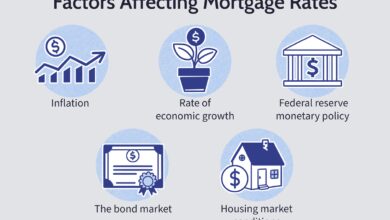
Ever wonder how inflation quietly reshapes your monthly mortgage payments? It’s not just about rising grocery bills—understanding how inflation affects mortgage loan rates can save you thousands over the life of your home loan.




How Inflation Affects Mortgage Loan Rates: The Core Connection

Inflation and mortgage rates are deeply intertwined, with one often dictating the movement of the other. When inflation rises, the purchasing power of money decreases, prompting central banks like the U.S. Federal Reserve to take action. This action typically involves adjusting interest rates, which directly influence mortgage loan rates.
What Is Inflation and Why It Matters
Inflation is the rate at which the general level of prices for goods and services rises, eroding purchasing power. It’s measured by indices like the Consumer Price Index (CPI) and the Personal Consumption Expenditures (PCE) index. Moderate inflation is a sign of a healthy economy, but high or unpredictable inflation can destabilize financial markets.
how inflation affects mortgage loan rates – How inflation affects mortgage loan rates menjadi aspek penting yang dibahas di sini.
- Inflation reduces the real value of money over time.
- Central banks aim for a target inflation rate, usually around 2% annually.
- Uncontrolled inflation can lead to economic uncertainty and reduced consumer confidence.
When inflation accelerates, lenders demand higher interest rates to compensate for the diminished future value of the money they’ll be repaid. This is especially critical in long-term loans like mortgages, where repayment occurs over decades.
The Role of Central Banks in Rate Setting
Central banks, particularly the Federal Reserve in the United States, play a pivotal role in managing inflation through monetary policy. One of their primary tools is the federal funds rate—the interest rate at which banks lend to each other overnight.
- When inflation is high, the Fed raises the federal funds rate to cool down spending and borrowing.
- Higher federal funds rates lead to increased interest rates across the economy, including mortgage rates.
- Conversely, during low inflation or deflation, the Fed may lower rates to stimulate economic activity.
While the Fed doesn’t set mortgage rates directly, its policies influence the broader interest rate environment. For example, when the Fed hikes rates, mortgage lenders typically follow suit to maintain profit margins and manage risk.
how inflation affects mortgage loan rates – How inflation affects mortgage loan rates menjadi aspek penting yang dibahas di sini.
“The Fed’s primary mandate is price stability and maximum employment. When inflation threatens that stability, interest rates become the first line of defense.” — Federal Reserve Economic Report, 2023
How Inflation Affects Mortgage Loan Rates Through Bond Markets
One of the most direct channels through which inflation impacts mortgage rates is the bond market, particularly the yield on the 10-year U.S. Treasury note. Mortgage rates are closely tied to these yields, even more so than to the federal funds rate.
Understanding the 10-Year Treasury Yield
The 10-year Treasury yield is a benchmark for long-term interest rates, including fixed-rate mortgages. Investors demand higher yields when inflation expectations rise because they want compensation for the loss of purchasing power over time.
- When inflation expectations increase, investors sell bonds, driving prices down and yields up.
- Higher Treasury yields push mortgage lenders to raise their rates to remain competitive with other fixed-income investments.
- Historically, the 30-year fixed mortgage rate tends to run about 1.5 to 2 percentage points above the 10-year Treasury yield.
For example, if the 10-year Treasury yield climbs from 3% to 4% due to rising inflation expectations, mortgage rates may increase from 5% to 6%, significantly affecting borrowing costs for homebuyers.
how inflation affects mortgage loan rates – How inflation affects mortgage loan rates menjadi aspek penting yang dibahas di sini.
Mortgage-Backed Securities (MBS) and Investor Behavior
Mortgages are often bundled into mortgage-backed securities (MBS), which are traded in financial markets. The performance and pricing of MBS are highly sensitive to inflation and interest rate changes.
- High inflation increases the risk that future mortgage payments will be worth less in real terms, making MBS less attractive to investors.
- To attract investors, lenders must offer higher mortgage rates, which are then passed on to borrowers.
- Volatility in MBS markets can lead to rapid shifts in mortgage rates, even within a single week.
According to the Federal Reserve, MBS markets are a critical transmission mechanism for monetary policy, linking central bank actions to household borrowing costs.
“The yield on mortgage-backed securities is a key determinant of retail mortgage rates. Inflation expectations are baked into these yields daily.” — Mortgage Bankers Association, 2022 Market Report
How Inflation Affects Mortgage Loan Rates: Fixed vs. Adjustable Rates
Not all mortgages respond to inflation in the same way. The type of mortgage—fixed-rate or adjustable-rate—determines how and when inflation impacts your payments.
how inflation affects mortgage loan rates – How inflation affects mortgage loan rates menjadi aspek penting yang dibahas di sini.
Fixed-Rate Mortgages: Protection Against Inflation
A fixed-rate mortgage locks in your interest rate for the life of the loan, typically 15 or 30 years. This provides stability and predictability, especially valuable during periods of high inflation.
- Borrowers who lock in a low rate before inflation spikes are shielded from future rate increases.
- However, during high inflation, initial rates are often higher to reflect expected inflation over the loan term.
- Fixed-rate mortgages are more common in the U.S., accounting for over 80% of home loans.
For example, someone who secured a 3% mortgage in 2020 benefited as inflation rose in 2022–2023, effectively repaying their loan with cheaper dollars. This is a hidden advantage of fixed-rate loans in inflationary environments.
Adjustable-Rate Mortgages (ARMs): Risk and Reward
Adjustable-rate mortgages have interest rates that reset periodically based on a benchmark index plus a margin. These loans often start with lower introductory rates but can rise significantly if inflation pushes benchmark rates higher.
how inflation affects mortgage loan rates – How inflation affects mortgage loan rates menjadi aspek penting yang dibahas di sini.
- Common ARMs include 5/1, 7/1, and 10/1, where the rate is fixed for the first 5, 7, or 10 years, then adjusts annually.
- During inflationary periods, ARMs can become much more expensive after the initial fixed period.
- ARMs are riskier but may be beneficial if inflation is expected to remain low or if the borrower plans to sell or refinance before the rate adjusts.
According to Freddie Mac, ARM share of originations dropped below 5% in 2023 as inflation and rate uncertainty deterred borrowers.
“ARMs can be a double-edged sword: low initial payments are attractive, but inflation can turn them into financial burdens.” — National Association of Realtors, Housing Finance Report
Historical Trends: How Inflation Affects Mortgage Loan Rates Over Time
Looking at historical data reveals clear patterns in how inflation and mortgage rates move together. Understanding these trends helps borrowers anticipate future rate movements.
The 1970s–1980s: High Inflation, Sky-High Rates
The most dramatic example of inflation’s impact on mortgage rates occurred in the 1970s and 1980s. The U.S. experienced double-digit inflation due to oil shocks, wage-price spirals, and loose monetary policy.
how inflation affects mortgage loan rates – How inflation affects mortgage loan rates menjadi aspek penting yang dibahas di sini.
- Inflation peaked at over 13% in 1979, leading the Fed to raise interest rates aggressively.
- By 1981, the average 30-year fixed mortgage rate reached a staggering 18.45%, according to the Freddie Mac Primary Mortgage Market Survey.
- This era demonstrated how sustained inflation can make homeownership unaffordable for many.
The lesson from this period is clear: prolonged inflation forces central banks to hike rates, which directly translates into higher borrowing costs for homebuyers.
The 2020s: Post-Pandemic Inflation Surge
After years of historically low inflation and mortgage rates, the post-pandemic period saw a sharp rebound in prices. Supply chain disruptions, fiscal stimulus, and pent-up demand fueled inflation that reached 9.1% in June 2022—the highest in 40 years.
- The Federal Reserve responded with the fastest rate-hiking cycle since the 1980s, raising the federal funds rate from near zero to over 5% by 2023.
- As a result, the average 30-year fixed mortgage rate climbed from 3% in 2021 to over 7% by late 2023.
- This rapid increase cooled the housing market, reducing affordability and home sales volume.
This recent episode shows that even temporary inflation spikes can have lasting effects on mortgage rates and housing market dynamics.
how inflation affects mortgage loan rates – How inflation affects mortgage loan rates menjadi aspek penting yang dibahas di sini.
“The 2022–2023 rate surge was a textbook case of how inflation triggers monetary tightening, which in turn drives up mortgage costs.” — Wall Street Journal, Economic Analysis, 2023
How Inflation Affects Mortgage Loan Rates: The Borrower’s Perspective
For homebuyers and homeowners, inflation’s impact on mortgage rates isn’t just theoretical—it affects real decisions about when to buy, refinance, or lock in a rate.
Timing the Market: When to Buy or Refinance
Understanding inflation trends can help borrowers time their mortgage decisions more effectively.
- When inflation is low and expected to remain stable, mortgage rates are typically lower, making it a good time to buy or refinance.
- During rising inflation, rates tend to climb, so locking in a rate early can save money.
- Some borrowers use inflation as a reason to buy sooner, reasoning that home prices may rise faster than rates.
However, predicting inflation and rate movements is challenging. Most financial advisors recommend focusing on long-term affordability rather than trying to time the market perfectly.
how inflation affects mortgage loan rates – How inflation affects mortgage loan rates menjadi aspek penting yang dibahas di sini.
Refinancing in an Inflationary Environment
Refinancing can be a powerful tool to reduce monthly payments or shorten loan terms, but inflation can complicate the decision.
- If inflation causes rates to rise, refinancing may not be beneficial unless the borrower has a much higher existing rate.
- Conversely, if inflation is falling and rates drop, refinancing can lead to significant savings.
- Borrowers with adjustable-rate mortgages should consider refinancing to fixed rates during inflation spikes to avoid future payment shocks.
According to Consumer Financial Protection Bureau (CFPB), refinancing can save borrowers an average of $250 per month, but only if done at the right time.
“Refinancing is not a one-size-fits-all solution. Inflation, personal finances, and long-term goals must all be weighed.” — CFPB, Mortgage Refinancing Guide
How Inflation Affects Mortgage Loan Rates: The Lender’s Side
Lenders also respond to inflation, adjusting their risk assessments, pricing models, and lending criteria to protect their margins and manage defaults.
how inflation affects mortgage loan rates – How inflation affects mortgage loan rates menjadi aspek penting yang dibahas di sini.
Risk Management and Loan Pricing
Lenders must account for inflation when pricing mortgage loans. Higher inflation increases the risk that future repayments will be worth less in real terms.
- To compensate, lenders build inflation expectations into interest rates.
- They may also tighten credit standards during high inflation to reduce default risk.
- Lenders use models that factor in inflation forecasts, bond yields, and economic indicators to set competitive yet profitable rates.
For example, during the 2022 inflation surge, many lenders increased mortgage rates faster than the Fed’s rate hikes, reflecting their own risk assessments and market expectations.
Impact on Lending Volume and Profitability
Inflation doesn’t just affect rates—it also influences how many loans lenders issue and how much profit they make.
how inflation affects mortgage loan rates – How inflation affects mortgage loan rates menjadi aspek penting yang dibahas di sini.
- High inflation and rising rates typically reduce housing demand, leading to lower loan origination volumes.
- While higher rates increase interest income, lower volume can offset gains.
- Some lenders shift focus to refinancing or government-backed loans (like FHA or VA) to maintain business during downturns.
A report by the Federal Reserve Board found that mortgage lending profitability peaked in 2020–2021 during low rates and high refinancing activity, but declined in 2022–2023 as inflation reduced affordability.
“Lenders are not immune to inflation. Their business models depend on stable economic conditions and predictable borrower behavior.” — Federal Reserve, Financial Stability Report
How Inflation Affects Mortgage Loan Rates: Long-Term Implications
The relationship between inflation and mortgage rates has long-term consequences for homeownership, wealth accumulation, and economic stability.
Wealth Inequality and Homeownership Access
Rising mortgage rates due to inflation can widen the gap between those who can afford homes and those who cannot.
how inflation affects mortgage loan rates – How inflation affects mortgage loan rates menjadi aspek penting yang dibahas di sini.
- First-time buyers and lower-income households are disproportionately affected by higher rates.
- Existing homeowners with fixed-rate mortgages may benefit from inflation by repaying debt with devalued dollars.
- This dynamic can exacerbate wealth inequality, as homeowners build equity while renters face rising housing costs.
According to the U.S. Census Bureau, homeownership rates dropped among young adults during the 2022–2023 rate surge, reversing a brief pandemic-era increase.
Future Outlook: Inflation, Rates, and Housing Policy
Looking ahead, the interplay between inflation, mortgage rates, and housing policy will remain critical.
- If inflation stabilizes near the Fed’s 2% target, mortgage rates may settle into a new normal around 5–6%.
- Persistent inflation could lead to prolonged high rates, reshaping housing affordability.
- Government policies, such as subsidies for first-time buyers or changes to Fannie Mae and Freddie Mac, may be needed to support access to homeownership.
Economists at the Brookings Institution suggest that long-term solutions require not just monetary policy, but structural reforms in housing supply and financial regulation.
how inflation affects mortgage loan rates – How inflation affects mortgage loan rates menjadi aspek penting yang dibahas di sini.
“The future of homeownership depends on how well we manage inflation, interest rates, and equitable access to credit.” — Brookings, Housing in the 21st Century
How does inflation affect mortgage rates?
Inflation leads to higher mortgage rates because lenders need to compensate for the decreased purchasing power of future repayments. Central banks raise interest rates to combat inflation, which in turn pushes up mortgage rates through bond yields and lending practices.
Do fixed-rate mortgages protect against inflation?
how inflation affects mortgage loan rates – How inflation affects mortgage loan rates menjadi aspek penting yang dibahas di sini.
Yes, fixed-rate mortgages protect borrowers from future rate increases. If inflation rises after you lock in your rate, your payments remain the same, effectively allowing you to repay with cheaper dollars over time.
Can inflation ever lower mortgage rates?
No, inflation typically increases mortgage rates. However, if inflation falls or turns into deflation, central banks may lower interest rates, which can lead to lower mortgage rates to stimulate the economy.
how inflation affects mortgage loan rates – How inflation affects mortgage loan rates menjadi aspek penting yang dibahas di sini.
Should I refinance during high inflation?
Refinancing during high inflation is usually not beneficial unless you have a much higher existing rate. If rates are rising, you may not find a lower rate. However, switching from an adjustable-rate to a fixed-rate mortgage can provide stability.
How quickly do mortgage rates respond to inflation?
Mortgage rates can respond within days or weeks to changes in inflation expectations, especially through movements in the 10-year Treasury yield. However, the full impact may take months to materialize as markets adjust.
Understanding how inflation affects mortgage loan rates is essential for anyone buying a home, refinancing, or managing household finances. From central bank policies to bond markets and borrower behavior, inflation shapes the cost of borrowing in profound ways. While rising rates can make homeownership more challenging, strategies like locking in fixed rates and timing the market can help mitigate risks. As inflation continues to evolve, staying informed remains the best defense against financial uncertainty.
Further Reading: