Choosing between fixed and variable mortgage rates can feel like navigating a financial maze. This guide breaks down the key differences, risks, and rewards to help you make a confident, informed decision—without the jargon.




Fixed vs Variable Mortgage Rates Explained: What’s the Core Difference?

At the heart of every mortgage decision lies a fundamental choice: lock in stability with a fixed rate or embrace flexibility with a variable rate. Understanding this distinction is the first step toward smarter homeownership.
Defining Fixed Mortgage Rates
A fixed mortgage rate remains unchanged for a set period—typically 1 to 30 years—regardless of broader economic shifts. This predictability makes budgeting easier, as your monthly payments stay consistent.
- Rate is locked at the time of loan origination.
- Monthly payments do not fluctuate during the fixed term.
- Common fixed terms include 15-year and 30-year mortgages.
According to the Federal Reserve, fixed-rate mortgages have been the preferred choice for over 70% of U.S. homebuyers in the past decade due to their stability.
fixed vs variable mortgage rates explained – Fixed vs variable mortgage rates explained menjadi aspek penting yang dibahas di sini.
Defining Variable Mortgage Rates
Also known as adjustable-rate or floating-rate mortgages, variable rates change based on a benchmark interest rate, such as the prime rate or SOFR (Secured Overnight Financing Rate). Your payments can go up or down over time.
- Initial rate is often lower than fixed rates.
- Rate adjustments occur at predetermined intervals (e.g., annually).
- Tied to financial indexes plus a lender’s margin.
“Variable rates offer short-term savings but come with long-term uncertainty,” says Mark Zandi, Chief Economist at Moody’s Analytics.
Fixed vs Variable Mortgage Rates Explained: How Do They Work?
To truly grasp the mechanics behind fixed and variable mortgages, it’s essential to explore how lenders structure these loans and how they respond to economic conditions.
The Mechanics of Fixed-Rate Mortgages
When you sign a fixed-rate mortgage, the lender assumes the risk of interest rate fluctuations. In return, they often charge a slightly higher initial rate compared to variable options.
- Lenders hedge their risk by selling mortgage-backed securities.
- Borrowers benefit from payment certainty over decades.
- Refinancing is the only way to change the rate before maturity.
For example, a 30-year fixed mortgage at 6.5% means your rate and payment remain unchanged, even if market rates drop to 4% or spike to 8%.
fixed vs variable mortgage rates explained – Fixed vs variable mortgage rates explained menjadi aspek penting yang dibahas di sini.
The Structure of Variable-Rate Mortgages
Variable mortgages usually start with a low introductory rate for a set period—often 3, 5, 7, or 10 years—after which the rate adjusts periodically.
- Common product: 5/1 ARM (fixed for 5 years, adjusts annually thereafter).
- Adjustments are based on a specified index (e.g., SOFR) plus a margin (e.g., SOFR + 2.5%).
- Lenders set caps on how much the rate can increase per adjustment and over the loan’s life.
The Consumer Financial Protection Bureau (CFPB) emphasizes that borrowers must understand the adjustment schedule and caps before signing.
Fixed vs Variable Mortgage Rates Explained: Pros and Cons
Every financial decision involves trade-offs. Let’s dissect the advantages and disadvantages of each mortgage type to help you weigh your options.
Advantages of Fixed-Rate Mortgages
Fixed-rate mortgages are often praised for their reliability and long-term planning benefits.
fixed vs variable mortgage rates explained – Fixed vs variable mortgage rates explained menjadi aspek penting yang dibahas di sini.
- Predictability: Monthly payments remain the same, simplifying budgeting.
- Protection against rate hikes: If interest rates rise, your payment stays unaffected.
- Long-term security: Ideal for homeowners planning to stay put for years.
For retirees or those on fixed incomes, this stability is invaluable. As noted by Investopedia, fixed rates are a cornerstone of conservative financial planning.
Disadvantages of Fixed-Rate Mortgages
Despite their popularity, fixed-rate mortgages aren’t perfect for everyone.
- Higher initial rates: Typically start 0.5% to 1% higher than variable rates.
- Less flexibility: Early repayment penalties may apply.
- Missed savings if rates fall: You’d need to refinance to benefit from lower rates.
Refinancing involves closing costs (usually 2%–5% of the loan), which can offset potential savings.
Advantages of Variable-Rate Mortgages
Variable mortgages shine in specific economic and personal finance scenarios.
fixed vs variable mortgage rates explained – Fixed vs variable mortgage rates explained menjadi aspek penting yang dibahas di sini.
- Lower initial payments: Can save thousands in the first few years.
- Potential long-term savings: If rates stay low or fall, you pay less interest overall.
- Flexibility: Ideal for those planning to sell or refinance before the rate adjusts.
For young professionals expecting income growth, a variable rate can free up cash for investments or debt repayment.
Disadvantages of Variable-Rate Mortgages
The risks of variable rates can outweigh the benefits if not carefully managed.
- Payment uncertainty: Monthly bills can rise significantly after the fixed period.
- Refinance risk: If rates spike, you may not qualify to refinance.
- Complexity: Understanding indexes, margins, and caps requires financial literacy.
“Many borrowers underestimate how high their payments could go,” warns Greg McBride, CFA, Chief Financial Analyst at Bankrate.
Fixed vs Variable Mortgage Rates Explained: Economic Factors at Play
The choice between fixed and variable isn’t just personal—it’s deeply influenced by macroeconomic trends and central bank policies.
How Inflation Impacts Mortgage Rates
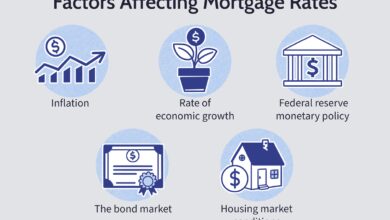
Inflation is a key driver of interest rates. When inflation rises, central banks like the Federal Reserve increase benchmark rates to cool spending, which directly affects mortgage rates.
fixed vs variable mortgage rates explained – Fixed vs variable mortgage rates explained menjadi aspek penting yang dibahas di sini.
- High inflation → higher interest rates → higher mortgage costs.
- Fixed-rate borrowers are shielded from future inflation-driven hikes.
- Variable-rate borrowers face higher payments as rates adjust upward.
For instance, during the inflation surge of 2022–2023, 30-year fixed rates climbed from 3% to over 7%, while variable rates followed suit after their initial lock periods.
The Role of the Federal Reserve
The Fed doesn’t set mortgage rates directly, but its Federal Funds Rate influences all lending rates, including mortgages.
- When the Fed raises rates, lenders increase their prime rates, affecting variable mortgages immediately.
- Fixed mortgage rates respond more slowly, influenced by bond market expectations.
- Market sentiment about future inflation can cause fixed rates to rise even before the Fed acts.
As explained by the Federal Reserve’s educational resources, mortgage rates often move in tandem with 10-year Treasury yields.
Global Market Influences
Mortgage rates are also shaped by international capital flows and investor demand for U.S. bonds.
fixed vs variable mortgage rates explained – Fixed vs variable mortgage rates explained menjadi aspek penting yang dibahas di sini.
- Strong global demand for safe assets (like U.S. Treasuries) pushes mortgage rates down.
- Geopolitical instability can drive investors to bonds, lowering rates.
- Conversely, rising yields in other countries can pull investment away, pushing U.S. rates up.
This interconnectedness means that events in Europe or Asia can indirectly affect your monthly mortgage payment.
Fixed vs Variable Mortgage Rates Explained: Who Should Choose Which?
Your personal financial situation, risk tolerance, and life plans should guide your decision more than market trends alone.
When a Fixed-Rate Mortgage Makes Sense
Fixed-rate mortgages are ideal for certain borrowers and life stages.
- Long-term homeowners: If you plan to stay in your home for 10+ years, locking in a rate protects you from future hikes.
- Budget-conscious households: Predictable payments help manage tight budgets.
- Risk-averse individuals: Those uncomfortable with financial uncertainty benefit from stability.
Families with children, retirees, or anyone prioritizing financial peace of mind often prefer fixed rates.
fixed vs variable mortgage rates explained – Fixed vs variable mortgage rates explained menjadi aspek penting yang dibahas di sini.
When a Variable-Rate Mortgage Is the Better Choice
Variable rates suit borrowers with specific goals and risk profiles.
- Short-term owners: If you plan to sell or refinance within 5–7 years, you may never face rate adjustments.
- High-income earners: Those with rising incomes can absorb potential payment increases.
- Strategic investors: Savvy borrowers might use savings from lower initial payments to invest in higher-return assets.
For example, a tech worker in a high-growth field might accept variable rate risk, expecting future income to cover any payment hikes.
Fixed vs Variable Mortgage Rates Explained: Real-Life Scenarios
Let’s explore how real people have navigated this decision, highlighting outcomes and lessons learned.
Case Study: The Fixed-Rate Family
The Thompsons bought a home in 2020 with a 30-year fixed mortgage at 3.2%. By 2023, rates had risen to 7%, but their payment remained unchanged.
fixed vs variable mortgage rates explained – Fixed vs variable mortgage rates explained menjadi aspek penting yang dibahas di sini.
- Monthly payment: $1,292 (on a $300,000 loan).
- Saved over $600/month compared to new buyers in 2023.
- Peace of mind during economic uncertainty.
Their decision insulated them from market volatility, proving the long-term value of locking in low rates.
Case Study: The Variable-Rate Entrepreneur
Jamal, a freelance designer, chose a 7/1 ARM in 2021 at 2.8%. He planned to upgrade in 5 years.
- Initial payment: $1,230 (on a $300,000 loan).
- Sold the home in 2026 before the rate adjusted.
- Saved $15,000 in interest compared to a fixed-rate option.
His flexibility and timing paid off—had he stayed longer, rising rates could have increased his payment by 40%.
Case Study: The Unprepared Borrower
Sarah took a 5/1 ARM in 2018 at 3.5%, assuming she’d refinance later. When rates spiked in 2023, her credit had declined, and she couldn’t refinance.
fixed vs variable mortgage rates explained – Fixed vs variable mortgage rates explained menjadi aspek penting yang dibahas di sini.
- Payment jumped from $1,347 to $2,020 after adjustment.
- Struggled to keep up, eventually selling at a loss.
- Underestimated the risk of being trapped in a high-rate environment.
“I thought I’d have options later, but the market changed faster than I expected,” Sarah shared in a consumer finance forum.
Fixed vs Variable Mortgage Rates Explained: How to Decide
Making the right choice requires a blend of financial analysis, personal goals, and risk assessment.
Assess Your Risk Tolerance
Ask yourself: How would you react if your monthly payment increased by 30%?
- High risk tolerance? You might handle variable rate fluctuations.
- Low risk tolerance? Fixed rates offer emotional and financial security.
- Use online risk assessment tools from financial advisors or banks.
Behavioral finance studies show that people often overestimate their ability to handle financial stress.
Project Your Future Finances
Consider income stability, career trajectory, and life changes.
fixed vs variable mortgage rates explained – Fixed vs variable mortgage rates explained menjadi aspek penting yang dibahas di sini.
- Stable job or retirement? Fixed rates align with predictable income.
- Expected salary growth? Variable rates may be manageable.
- Planning a family or career shift? Factor in potential income gaps.
Financial planners recommend stress-testing your budget with a 20–30% payment increase to gauge readiness.
Consult a Mortgage Professional
A licensed mortgage advisor can provide personalized scenarios based on current rates and your credit profile.
- Compare multiple loan estimates (LEs) from different lenders.
- Ask about rate locks, conversion options, and prepayment penalties.
- Use tools like the CFPB’s mortgage calculator to model payments.
Professional guidance can uncover options you might overlook, such as hybrid ARMs or fixed-rate loans with buydowns.
Fixed vs Variable Mortgage Rates Explained: Common Myths Debunked
Misinformation can lead to poor financial decisions. Let’s clear up some common misconceptions.
fixed vs variable mortgage rates explained – Fixed vs variable mortgage rates explained menjadi aspek penting yang dibahas di sini.
Myth 1: Variable Rates Are Always Cheaper
While variable rates often start lower, they can become significantly more expensive if interest rates rise.
- Historical data shows mixed results: sometimes cheaper, sometimes costlier.
- Over a 30-year period, fixed rates have often been more economical during high-inflation eras.
- The Bureau of Labor Statistics shows that long-term rate trends are unpredictable.
Assuming you’ll save money with a variable rate is a gamble, not a guarantee.
Myth 2: Fixed Rates Are Boring and Outdated
Some view fixed rates as conservative to the point of being obsolete. This couldn’t be further from the truth.
- Fixed rates are a strategic tool for financial stability.
- They’re used by savvy investors to lock in low-cost capital.
- “Boring” often means reliable and safe—valuable traits in volatile markets.
As Warren Buffett once said, “Risk comes from not knowing what you’re doing”—not from choosing stability.
fixed vs variable mortgage rates explained – Fixed vs variable mortgage rates explained menjadi aspek penting yang dibahas di sini.
Myth 3: You Can Always Refinance Later
Many borrowers assume they’ll refinance before rates adjust. But refinancing isn’t guaranteed.
- Credit score changes, job loss, or rising rates can disqualify you.
- Home value declines can reduce equity, limiting refinance options.
- Refinancing costs money—closing fees, appraisals, and points.
“Refinancing is a privilege, not a right,” notes the CFPB in its homeowner education materials.
What is the main difference between fixed and variable mortgage rates?
The main difference is stability versus flexibility. Fixed rates stay the same for the loan term, ensuring predictable payments. Variable rates change based on market conditions, offering lower initial payments but with the risk of future increases.
Which mortgage type is better for long-term homeowners?
fixed vs variable mortgage rates explained – Fixed vs variable mortgage rates explained menjadi aspek penting yang dibahas di sini.
Fixed-rate mortgages are generally better for long-term homeowners because they protect against rising interest rates and provide payment consistency over decades.
Can I switch from a variable to a fixed-rate mortgage?
Yes, you can often refinance from a variable to a fixed-rate mortgage, but it depends on your credit, equity, and current rates. Some loans even offer conversion options without refinancing.
Are variable-rate mortgages riskier than fixed-rate ones?
fixed vs variable mortgage rates explained – Fixed vs variable mortgage rates explained menjadi aspek penting yang dibahas di sini.
Yes, variable-rate mortgages carry more risk because your payments can increase significantly if interest rates rise. However, they can be a smart choice for short-term owners or those with high risk tolerance.
How do I decide which mortgage is right for me?
Consider your risk tolerance, how long you plan to stay in the home, income stability, and current economic trends. Consulting a mortgage advisor and using payment calculators can help you make an informed decision.
Choosing between fixed and variable mortgage rates is one of the most impactful financial decisions you’ll make as a homeowner.Fixed rates offer stability, predictability, and protection against rising interest rates, making them ideal for long-term planners and risk-averse individuals.Variable rates provide lower initial payments and potential savings for those who plan to move or refinance before adjustments begin.However, they come with significant uncertainty and payment risk.
fixed vs variable mortgage rates explained – Fixed vs variable mortgage rates explained menjadi aspek penting yang dibahas di sini.
.Economic factors like inflation, Federal Reserve policy, and global markets play a crucial role in shaping rate trends.Real-life examples show that success depends not just on the product, but on timing, planning, and personal circumstances.By understanding the pros, cons, and myths surrounding each option—and seeking professional advice—you can make a choice that aligns with your financial goals and peace of mind..
Further Reading: