Curious about the current mortgage loan rates today? You’re not alone. With housing markets shifting and economic signals flashing red and green, understanding today’s rates is more crucial than ever for homebuyers and refinancers alike.




Current Mortgage Loan Rates Today: What You Need to Know
/GettyImages-603713293-5a027100482c52001ab4901f.jpg?w=1200)
The current mortgage loan rates today are fluctuating more than ever due to a mix of inflation, Federal Reserve policies, and global economic uncertainty. As of mid-2024, the average 30-year fixed mortgage rate hovers around 6.8%, a significant jump from the historic lows seen during the pandemic. But what does this mean for you?
Understanding the Basics of Mortgage Rates
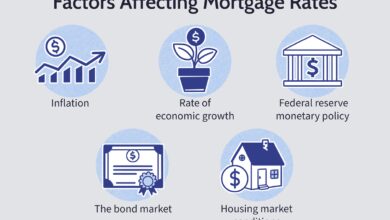
Mortgage rates are the interest percentages charged by lenders on home loans. They determine how much you’ll pay over the life of your loan. The Federal Reserve doesn’t set mortgage rates directly, but its monetary policy heavily influences them. When the Fed raises the federal funds rate to combat inflation, mortgage rates typically follow.
Mortgage rates are influenced by bond market yields, especially the 10-year Treasury note.Lenders also consider your credit score, down payment, and loan-to-value ratio.Adjustable-rate mortgages (ARMs) often start lower but can rise over time.”Mortgage rates today are not just a number—they’re a reflection of broader economic health and consumer confidence,” says Dr.Emily Tran, Senior Economist at the National Housing Institute.How Current Mortgage Loan Rates Today Compare to Historical AveragesLooking back, the average 30-year fixed mortgage rate was just 3.11% in 2021.Fast forward to 2024, and we’re seeing rates nearly double.
.This shift has dramatically impacted affordability.According to the Freddie Mac Primary Mortgage Market Survey, the current mortgage loan rates today are the highest they’ve been since 2000..
- From 1971 to 2023, the average 30-year fixed rate was about 7.7%.
- The all-time low was recorded in January 2021 at 2.65%.
- High rates reduce purchasing power—every 1% increase costs buyers roughly 18% more over 30 years.
This historical context helps explain why so many potential buyers are hesitating. The jump in current mortgage loan rates today has cooled a once red-hot housing market.
Factors Influencing Current Mortgage Loan Rates Today
Several key factors are driving the current mortgage loan rates today. Understanding them can help you anticipate future movements and make smarter financial decisions.
Inflation and Federal Reserve Policy
Inflation remains one of the biggest drivers of mortgage rates. When inflation rises, the purchasing power of money falls, prompting the Federal Reserve to raise interest rates to cool spending. These rate hikes increase borrowing costs across the board, including mortgages.
- The Fed raised rates 11 times between 2022 and 2023 to combat 40-year-high inflation.
- Although rate hikes paused in 2024, inflation remains above the 2% target.
- Markets expect at least one rate cut by late 2024, which could slightly lower mortgage rates.
The relationship between inflation and current mortgage loan rates today is direct and powerful. As long as inflation stays elevated, rates are likely to remain high.
Housing Market Demand and Inventory
Supply and demand dynamics also play a crucial role. Despite high rates, demand for homes remains strong in many areas due to population growth, remote work flexibility, and limited housing inventory.
- Low housing supply keeps home prices elevated, indirectly affecting mortgage costs.
- Millennials, now the largest homebuying demographic, continue to enter the market.
- Investor activity, especially in Sun Belt states, adds competitive pressure.
Even with high current mortgage loan rates today, bidding wars still occur in desirable neighborhoods, showing that demand can override rate concerns.
Global Economic Conditions
Global events—like geopolitical tensions, energy prices, and international bond markets—also influence U.S. mortgage rates. For example, when global investors seek safe-haven assets, they often buy U.S. Treasury bonds, which can push mortgage rates down.
- Conflicts in Eastern Europe and the Middle East have increased market volatility.
- High oil prices can fuel inflation, leading to higher rates.
- Strong economic growth abroad can reduce demand for U.S. bonds, pushing yields—and mortgage rates—up.
While domestic factors dominate, global trends are increasingly intertwined with the current mortgage loan rates today.
Types of Mortgages and Their Current Rates
Not all mortgages are created equal. Different loan types come with different rates, terms, and risks. Knowing your options is key when navigating the current mortgage loan rates today.
30-Year Fixed-Rate Mortgages
The 30-year fixed-rate mortgage is the most popular choice among homebuyers. It offers stability with the same payment for three decades. As of June 2024, the average rate for this loan is 6.8%.
- Pros: Predictable payments, easier budgeting, protection against future rate hikes.
- Cons: Higher initial rates compared to ARMs, more interest paid over time.
- Best for: Long-term homeowners, risk-averse borrowers.
This remains the benchmark for current mortgage loan rates today and is often used as a reference point in financial news.
15-Year Fixed-Rate Mortgages
For those looking to pay off their homes faster, the 15-year fixed mortgage is an attractive option. Rates are typically 0.5% to 0.75% lower than 30-year loans, averaging around 6.2% today.
- Pros: Lower interest rates, faster equity buildup, less total interest paid.
- Cons: Higher monthly payments, less cash flow flexibility.
- Best for: Buyers with strong income, those nearing retirement, or refinancers.
While the monthly payment is higher, the long-term savings can be substantial, especially in a high-rate environment like the current mortgage loan rates today.
Adjustable-Rate Mortgages (ARMs)
ARMs start with a fixed rate for a set period (e.g., 5, 7, or 10 years), after which the rate adjusts annually based on market indexes. A 5/1 ARM might start at 6.0% today.
- Pros: Lower initial rates, potential savings if you sell or refinance before adjustment.
- Cons: Payment uncertainty, risk of sharp increases after the fixed period.
- Best for: Buyers planning to move within a few years, or those betting on future rate drops.
ARMs are regaining popularity as some borrowers seek lower entry costs amid high current mortgage loan rates today.
How to Find the Best Current Mortgage Loan Rates Today
With rates this high, finding the best possible deal is essential. But where do you start? The answer lies in research, preparation, and smart shopping.
Compare Rates from Multiple Lenders
Never settle for the first quote. Rates can vary significantly between lenders, even for the same borrower profile. Use online comparison tools to get real-time offers.
- Check banks, credit unions, online lenders, and mortgage brokers.
- Get at least three to five quotes to establish a baseline.
- Look beyond the interest rate—consider fees, closing costs, and loan terms.
According to a Consumer Financial Protection Bureau (CFPB) study, borrowers who shop around save an average of $1,500 over the first five years of their loan.
Improve Your Credit Score
Your credit score is one of the most important factors in determining your mortgage rate. A higher score signals lower risk to lenders, earning you better terms.
- Check your credit report for errors and dispute inaccuracies.
- Pay down credit card balances to lower your credit utilization ratio.
- Aim for a FICO score of 740 or higher to qualify for the best rates.
Even a 20- to 30-point increase can save you thousands over the life of the loan, especially with current mortgage loan rates today.
Consider Paying Discount Points
Discount points are upfront fees you pay to lower your interest rate. One point typically costs 1% of the loan amount and reduces your rate by 0.25% to 0.5%.
- Break-even point: Divide the cost of points by your monthly savings to see how long it takes to recoup the cost.
- Best for: Buyers planning to stay in the home long-term.
- Risk: If you sell or refinance early, you may not recover the cost.
In a high-rate environment like today, paying points can make sense if you’re confident about your long-term plans.
Regional Variations in Current Mortgage Loan Rates Today
Mortgage rates aren’t uniform across the U.S. While national averages give a general picture, local markets can differ due to state regulations, lender competition, and housing demand.
High-Cost vs. Low-Cost States
States like California, New York, and Hawaii often have higher mortgage rates due to elevated home prices and stricter lending regulations. Conversely, states like Iowa, Nebraska, and Idaho may offer slightly lower rates.
- High-cost areas may require jumbo loans, which have different rate structures.
- Some rural areas benefit from state-sponsored down payment assistance programs.
- Tax policies and insurance costs also influence effective borrowing costs.
When evaluating current mortgage loan rates today, always consider your local market conditions.
Urban vs. Suburban vs. Rural Markets
Location within a state also matters. Urban centers often see higher demand and competition, pushing rates and prices up. Suburbs and rural areas may offer more lender incentives and lower costs.
- Remote work has increased demand in suburban and rural areas.
- Some lenders offer special programs for first-time buyers in underserved regions.
- Property taxes and insurance vary widely, affecting total monthly payments.
Understanding these nuances helps you make a more informed decision in today’s complex rate environment.
Refinancing in the Era of High Current Mortgage Loan Rates Today
With rates so high, is refinancing still worth it? For most, the answer is no—but there are exceptions.
When Refinancing Makes Sense
Refinancing can be beneficial if you can lower your rate by at least 0.5% to 1%, shorten your loan term, or tap into home equity.
- Cash-out refinancing allows you to borrow against your equity for home improvements or debt consolidation.
- Switching from an ARM to a fixed-rate loan can provide stability.
- Refinancing to a 15-year loan can accelerate payoff, even at a slightly higher rate.
However, with current mortgage loan rates today above most existing loans, refinancing purely for a lower rate is rare.
Alternatives to Traditional Refinancing
If rates are too high to refinance, consider other options:
- Loan modification: Work with your lender to change your loan terms without a new loan.
- Rate-and-term refinance: Focus on improving terms rather than lowering the rate.
- HELOC (Home Equity Line of Credit): Access funds without refinancing the entire mortgage.
These alternatives can provide relief without the high costs of refinancing in today’s market.
Future Outlook: Will Current Mortgage Loan Rates Today Go Down?
One of the most common questions is whether current mortgage loan rates today will decrease in the near future. The answer depends on several economic indicators.
Expert Predictions for 2024–2025
Most economists expect mortgage rates to remain elevated through 2024, with a possible decline in late 2024 or early 2025 if inflation cools and the Federal Reserve begins cutting rates.
- Fannie Mae forecasts the 30-year fixed rate to average 6.6% in 2024 and 6.3% in 2025.
- Freddie Mac projects a slight drop to 6.4% by year-end 2024.
- Some analysts warn of a “higher for longer” scenario if inflation rebounds.
The consensus is cautious optimism, but uncertainty remains high.
What Could Trigger a Rate Drop?
Several factors could lead to lower current mortgage loan rates today:
- Sustained decline in inflation, especially in core CPI and PCE indexes.
- Federal Reserve rate cuts, likely in response to slowing economic growth.
- Weaker job market data or a mild recession, which could reduce borrowing demand.
- Increased demand for U.S. bonds from foreign investors.
While a rate drop would be welcome, it’s not guaranteed. Buyers should plan based on today’s reality, not future hopes.
What are the current mortgage loan rates today?
As of mid-2024, the average 30-year fixed mortgage rate is around 6.8%, with 15-year fixed loans averaging 6.2% and 5/1 ARMs starting near 6.0%. Rates vary by lender, location, and borrower qualifications.
Why are mortgage rates so high right now?
High mortgage rates are primarily due to the Federal Reserve’s efforts to combat inflation. Elevated inflation, strong labor markets, and global economic uncertainty have kept rates high since 2022.
Should I wait for mortgage rates to drop before buying a home?
Waiting for rates to fall is risky, as timing the market is difficult. If you’re ready to buy, consider locking in a rate now, especially if you’ve found the right home. Use rate locks (typically 30–60 days) to secure your rate during closing.
Can I negotiate my mortgage rate?
Yes, mortgage rates are negotiable. Shop around, improve your credit, and ask lenders to match or beat competitor offers. You can also pay discount points to lower your rate.
How do I lock in the best current mortgage loan rates today?
To lock in the best rate, compare multiple lenders, boost your credit score, make a larger down payment, and consider paying points. Apply when rates are trending downward and lock your rate promptly.
Understanding the current mortgage loan rates today is essential for anyone buying or refinancing a home. While rates are high compared to recent years, they’re still within historical norms. By knowing the factors that influence rates, comparing offers, and planning strategically, you can navigate this challenging environment successfully. Whether you’re a first-time buyer, a move-up buyer, or a homeowner looking to refinance, staying informed is your best tool. The future of mortgage rates remains uncertain, but with the right knowledge, you can make confident decisions today.
Further Reading: