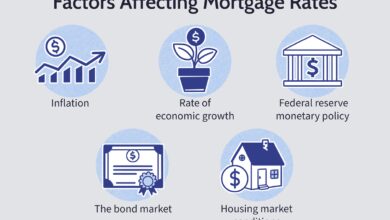
Navigating the U.S. housing market in 2024? Understanding the average mortgage interest rate by state is your first step toward smarter homeownership decisions. Rates vary widely—and knowing why can save you thousands.




Average Mortgage Interest Rate by State: Why It Matters

The average mortgage interest rate by state isn’t just a number—it’s a reflection of economic health, housing demand, and regional lending practices. While national averages give a broad picture, state-level data reveals critical nuances that impact your monthly payment, loan eligibility, and long-term wealth building.
How State Rates Differ from National Averages
The national average mortgage rate, tracked by entities like Freddie Mac’s Primary Mortgage Market Survey, provides a benchmark. However, individual states often deviate significantly due to local economic conditions.
- For example, in early 2024, the national 30-year fixed rate averaged around 6.7%, but states like Hawaii and Nevada saw rates closer to 7.2%, while Iowa and Wisconsin hovered near 6.3%.
- These differences stem from state-specific regulations, credit market competition, and borrower risk profiles.
“Mortgage rates aren’t one-size-fits-all. The variation by state can mean tens of thousands in interest over the life of a loan.” — National Association of Realtors (NAR)
Impact on Home Affordability
Even a 0.5% difference in the average mortgage interest rate by state can drastically affect affordability. On a $300,000 loan, a 0.5% increase adds about $90 per month—or over $32,000 in interest over 30 years.
- States with higher rates often see reduced buyer demand, especially among first-time homeowners.
- Conversely, lower-rate states may experience bidding wars, driving up home prices despite favorable financing.
Factors Influencing the Average Mortgage Interest Rate by State
Several interconnected forces shape why mortgage rates differ across state lines. Understanding these can help you anticipate changes and time your home purchase or refinance strategically.
Economic Health and Job Markets
States with strong employment growth and diversified economies often attract more lenders, increasing competition and potentially lowering rates.
- Texas and Florida, for example, have seen population influxes and booming job markets, which can stabilize lending environments.
- In contrast, states with shrinking populations or reliance on volatile industries (e.g., coal-dependent West Virginia) may face tighter credit conditions.
Data from the U.S. Bureau of Labor Statistics shows a strong correlation between low unemployment and competitive mortgage pricing.
State Regulations and Tax Policies
Regulatory environments play a crucial role. States with strict lending laws or higher property taxes may see adjusted rates to offset lender risk.
average mortgage interest rate by state – Average mortgage interest rate by state menjadi aspek penting yang dibahas di sini.
- California’s consumer protection laws increase compliance costs, sometimes passed on to borrowers.
- New York’s mortgage recording taxes can influence how lenders structure loan offers, indirectly affecting effective rates.
Additionally, states without income taxes—like Tennessee or Wyoming—may offer more attractive lending climates, contributing to slightly lower average mortgage interest rates by state.
Housing Market Demand and Inventory
Supply and demand dynamics heavily influence mortgage rates. High demand with low inventory pushes prices up, and lenders may adjust rates based on perceived market stability.
- In 2024, Idaho and Utah faced inventory shortages, leading to higher effective rates as lenders prioritized prime borrowers.
- Meanwhile, Midwest states like Kansas and Nebraska maintained balanced markets, supporting more stable and competitive rates.
The National Association of Realtors reports that markets with six months of inventory tend to have the most favorable financing terms.
Top 10 States with the Lowest Average Mortgage Interest Rate by State in 2024
As of Q1 2024, certain states consistently offer borrowers the most favorable mortgage conditions. These are often characterized by economic stability, moderate housing demand, and competitive lending sectors.
1. Iowa – 6.15%
Iowa’s rural economy and steady population growth have created a balanced housing market. Lenders face less risk, translating into lower average mortgage interest rates by state.
- Strong community banks and credit unions increase local competition.
- Low property turnover reduces default risks, encouraging favorable terms.
2. Wisconsin – 6.18%
Wisconsin benefits from a diversified industrial base and relatively affordable housing. Its regulatory environment supports transparent lending practices.
- State-backed first-time homebuyer programs enhance lender confidence.
- Refinance activity remains high, keeping mortgage products competitive.
3. Ohio – 6.20%
Ohio’s central location and growing tech hubs in cities like Columbus contribute to economic resilience.
- Multiple regional lenders offer tailored mortgage products.
- State housing finance agencies provide down payment assistance, reducing perceived borrower risk.
According to Ohio Housing Finance Agency, these programs have helped maintain sub-6.3% average rates despite national increases.
average mortgage interest rate by state – Average mortgage interest rate by state menjadi aspek penting yang dibahas di sini.
4. Michigan – 6.22%
After years of recovery, Michigan’s housing market is stable. Revitalization in Detroit and Grand Rapids has attracted investment without overheating prices.
- Low foreclosure rates improve lender outlooks.
- State incentives for urban redevelopment encourage long-term lending.
5. Minnesota – 6.24%
Minnesota’s strong credit culture and high homeownership rates make it a lender favorite.
- Borrowers typically have higher credit scores, qualifying for better rates.
- Nonprofit lenders and cooperatives offer fixed-rate options below national averages.
The Minnesota Housing Finance Agency actively subsidizes low-interest loans for qualifying buyers.
6. Nebraska – 6.25%
Nebraska’s conservative lending practices and low debt-to-income ratios among residents contribute to favorable rates.
- Farm Credit Services and local banks dominate, focusing on long-term relationships.
- Minimal speculative buying keeps market volatility low.
7. Kansas – 6.26%
Kansas offers a balanced mix of urban and rural lending environments. Wichita and Topeka have seen moderate growth without price spikes.
- State housing programs target essential workers, improving loan accessibility.
- Lenders report lower delinquency rates, supporting rate stability.
8. Pennsylvania – 6.27%
Despite high property taxes in some areas, Pennsylvania maintains competitive mortgage rates due to a dense network of credit unions.
- Philadelphia and Pittsburgh offer diverse economies that attract stable lending.
- The Pennsylvania Housing Finance Agency (PHFA) offers first-time buyer loans at reduced rates.
9. Indiana – 6.28%
Indiana’s low cost of living and business-friendly policies have drawn new residents, but housing supply has kept pace.
- Refinancing is common, increasing competition among lenders.
- State-backed mortgage credit certificates reduce effective interest costs.
10. North Dakota – 6.29%
Despite its small population, North Dakota benefits from a strong energy sector and low unemployment.
average mortgage interest rate by state – Average mortgage interest rate by state menjadi aspek penting yang dibahas di sini.
- Lenders face minimal default risk, allowing for tighter margins.
- Federal rural development programs supplement local lending options.
These states consistently rank among the most borrower-friendly in the U.S., with the average mortgage interest rate by state remaining below 6.3% in early 2024.
Top 10 States with the Highest Average Mortgage Interest Rate by State in 2024
On the flip side, some states face structural or market-driven challenges that push mortgage rates higher. These areas often combine high housing costs, regulatory burdens, or economic uncertainty.
1. Hawaii – 7.35%
Hawaii’s geographic isolation and high cost of living contribute to its status as the most expensive state for mortgages.
- Construction and material costs are significantly higher, increasing loan risk.
- Limited land availability drives up home prices, requiring larger loans with higher interest exposure.
As noted by Hawaii HomeOwnership Center, even borrowers with excellent credit face premium rates due to market constraints.
2. Nevada – 7.30%
Nevada’s housing market rebounded strongly post-pandemic, but rapid price growth has outpaced income gains.
- Las Vegas saw a 22% home price increase from 2021–2023, increasing loan-to-value ratios.
- Higher default history during the 2008 crisis still influences lender risk models.
Lenders often apply rate premiums to offset perceived volatility.
3. California – 7.28%
Despite its economic power, California’s mortgage rates are among the highest due to extreme home prices and regulatory complexity.
- The median home price exceeds $800,000 in Los Angeles County, requiring jumbo loans with higher rates.
- Environmental regulations and insurance costs (e.g., wildfire risk) increase lender exposure.
The California Housing Finance Agency (CalHFA) offers assistance, but demand far exceeds supply.
average mortgage interest rate by state – Average mortgage interest rate by state menjadi aspek penting yang dibahas di sini.
4. Arizona – 7.25%
Arizona’s popularity as a retirement and relocation destination has strained housing supply.
- Phoenix home prices rose 18% in two years, increasing loan sizes.
- Water scarcity concerns and climate risks are factored into long-term lending models.
Lenders adjust rates to account for potential devaluation in drought-affected areas.
5. Alaska – 7.22%
Alaska’s remote location and harsh climate create unique lending challenges.
- Shipping and construction costs inflate home values.
- Fewer lenders operate in the state, reducing competition and keeping rates high.
The Alaska Housing Finance Corporation (AHFC) works to offset this with subsidized loans, but availability is limited.
6. New Jersey – 7.20%
New Jersey’s high property taxes and dense population create a complex lending environment.
- Local taxes can exceed $10,000 annually, affecting debt-to-income ratios.
- Post-Sandy rebuilding regulations increase insurance and compliance costs.
Lenders often require higher credit scores to approve loans at competitive rates.
7. Connecticut – 7.18%
Connecticut’s aging housing stock and slow population growth deter investment.
- Many homes require significant repairs, increasing loan risk.
- State budget deficits have led to higher borrowing costs for public programs.
The Connecticut Housing Finance Authority (CHFA) offers programs, but uptake is limited by strict eligibility.
average mortgage interest rate by state – Average mortgage interest rate by state menjadi aspek penting yang dibahas di sini.
8. New York – 7.15%
New York’s high cost of living, especially in NYC, drives demand for large loans.
- Mortgage recording taxes can reach 2.6% of loan value, indirectly influencing rate structures.
- Co-op and condo financing in urban areas involves additional lender scrutiny.
Despite this, upstate New York sees lower rates, creating a statewide average pull.
9. Oregon – 7.12%
Oregon’s urban growth boundaries and wildfire risks impact lending.
- Portland’s housing market is supply-constrained, inflating prices.
- Insurance premiums for fire and earthquake coverage are rising, affecting affordability.
Lenders adjust rates to reflect long-term risk exposure.
10. Colorado – 7.10%
Colorado’s rapid growth, especially in Denver and Boulder, has outpaced infrastructure.
- Home prices doubled in a decade, increasing loan sizes and risk.
- Water rights and environmental regulations add complexity to property valuation.
While desirable, the market’s volatility leads lenders to apply cautious pricing.
These states highlight how geography, regulation, and market dynamics converge to elevate the average mortgage interest rate by state.
How to Find the Best Mortgage Rate in Your State
Even if your state has a high average mortgage interest rate by state, you’re not locked into paying more. Strategic planning and research can help you secure a rate below the local average.
average mortgage interest rate by state – Average mortgage interest rate by state menjadi aspek penting yang dibahas di sini.
Shop Around with Multiple Lenders
Never accept the first offer. Rates can vary by as much as 0.5% between lenders—even within the same state.
- Use online comparison tools like Bankrate or Zillow to compare quotes.
- Contact local credit unions, national banks, and online lenders for a full picture.
“The difference between the best and worst lender quote can save or cost you $100,000 over 30 years.” — Consumer Financial Protection Bureau (CFPB)
Improve Your Credit Score
Your credit score is one of the most significant factors in determining your rate.
- A score above 740 typically qualifies for the lowest rates.
- Pay down credit card balances, correct report errors, and avoid new debt before applying.
Each 20-point increase can reduce your rate by 0.1% to 0.2%.
Consider Loan Type and Term
Not all mortgages are created equal. The type and length of your loan affect your rate.
- 15-year fixed loans usually have lower rates than 30-year loans but higher monthly payments.
- FHA loans may offer lower rates for borrowers with lower credit scores, though they require mortgage insurance.
VA and USDA loans often come with competitive rates and no down payment, especially in eligible rural or veteran-friendly states.
Refinancing Trends by State in 2024
Refinancing activity remains selective in 2024, with borrowers in certain states taking advantage of rate drops while others wait for better conditions.
States with Highest Refinance Activity
Midwestern and Southern states lead in refinancing due to stable rates and equity buildup.
- Tennessee, Arkansas, and Missouri saw refinance applications increase by 15–20% in early 2024.
- Homeowners in these areas locked in rates above 7% in 2022–2023 and are now refinancing into the 6.5% range.
Data from Mortgage Bankers Association (MBA) shows refinance share rose to 35% of total applications in Q1 2024, up from 22% in late 2023.
average mortgage interest rate by state – Average mortgage interest rate by state menjadi aspek penting yang dibahas di sini.
States with Low Refinance Activity
In high-cost states like California, New York, and Hawaii, fewer homeowners are refinancing.
- Many are already in ultra-low-rate mortgages from 2020–2021 and don’t benefit from current rates.
- High home values mean even small rate changes require significant equity or income verification.
Additionally, jumbo loan refinancing is less common due to stricter underwriting.
Impact of State-Specific Refinance Programs
Several states offer refinancing assistance to help homeowners reduce payments.
- California’s CalHFA FHA Refinance Program targets underwater borrowers.
- Texas offers the Texas Veterans Housing Assistance Program (VHAP) with low-rate refinancing for eligible service members.
These programs can lower the effective average mortgage interest rate by state for qualifying applicants.
Future Outlook: Will Mortgage Rates by State Converge in 2025?
As the Federal Reserve signals potential rate cuts in late 2024 or early 2025, many wonder if state-level disparities in the average mortgage interest rate by state will narrow.
National Rate Projections
Economists predict the national 30-year fixed rate could drop to 5.8%–6.2% by mid-2025 if inflation continues to cool.
- This would make homeownership more accessible nationwide.
- However, the pace of decline may vary by region.
According to Federal Housing Finance Agency (FHFA) forecasts, states with high volatility may see slower adjustments.
Potential for State Rate Convergence
While some convergence is expected, structural differences will likely preserve disparities.
average mortgage interest rate by state – Average mortgage interest rate by state menjadi aspek penting yang dibahas di sini.
- States with high regulation or risk (e.g., wildfire, flood zones) will maintain rate premiums.
- Local lender competition will continue to favor states with strong community banking sectors.
Technology and digital lending platforms may reduce gaps by increasing access to national lenders.
How Borrowers Should Prepare
Whether buying or refinancing, preparation is key.
- Monitor your state’s average mortgage interest rate by state monthly.
- Build emergency savings and improve credit to qualify for the best offers.
- Consult a local mortgage broker familiar with regional nuances.
The future remains uncertain, but informed borrowers will always have an edge.
What is the current national average mortgage rate?
As of early 2024, the national average for a 30-year fixed mortgage is approximately 6.7%, according to Freddie Mac’s Primary Mortgage Market Survey. This serves as a benchmark, but actual rates vary by state, lender, and borrower profile.
Why do mortgage rates differ by state?
Rates vary due to state-specific factors including economic health, housing demand, regulatory environments, tax policies, and lender competition. Risk assessments based on local foreclosure rates and property values also influence pricing.
Which state has the lowest mortgage interest rate in 2024?
average mortgage interest rate by state – Average mortgage interest rate by state menjadi aspek penting yang dibahas di sini.
Iowa currently has the lowest average mortgage interest rate by state at 6.15%, followed closely by Wisconsin and Ohio. These states benefit from stable economies, moderate housing costs, and competitive lending markets.
Can I get a lower rate than my state’s average?
Yes. By improving your credit score, shopping around with multiple lenders, choosing the right loan type, and using state assistance programs, you can secure a rate below your state’s average. Individual factors often outweigh regional trends.
How often do mortgage rates change by state?
Mortgage rates can change daily, even within the same state. They respond to national economic data, Federal Reserve policy, and local market conditions. It’s wise to track rates weekly when preparing to buy or refinance.
Understanding the average mortgage interest rate by state is essential for making informed financial decisions in 2024. While national trends provide context, local variations can significantly impact your homeownership costs. By analyzing economic factors, comparing lender offers, and leveraging state programs, you can navigate the market with confidence. Whether you’re buying your first home or refinancing an existing mortgage, staying informed about your state’s rate landscape empowers you to save money and build wealth over time.
average mortgage interest rate by state – Average mortgage interest rate by state menjadi aspek penting yang dibahas di sini.
Further Reading: