Choosing between 30 year vs 15 year mortgage loan rates can shape your financial future. One offers lower monthly payments, the other faster equity and less interest. Which is truly better for you? Let’s break it down with clarity and precision.




Understanding 30 Year vs 15 Year Mortgage Loan Rates
When buying a home, one of the most critical decisions you’ll make is selecting the right mortgage term. The two most common options are the 30-year and 15-year fixed-rate mortgages. While both allow you to finance your home, they differ significantly in structure, cost, and long-term financial impact. Understanding the nuances of 30 year vs 15 year mortgage loan rates is essential for making an informed decision that aligns with your financial goals.
What Is a 30-Year Mortgage?
A 30-year mortgage is a home loan that is repaid over 30 years with fixed monthly payments. It is the most popular mortgage term in the United States due to its affordability and flexibility. Because the repayment period is longer, each monthly payment is lower, making it easier for borrowers to qualify and manage their budgets.
30 year vs 15 year mortgage loan rates – 30 year vs 15 year mortgage loan rates menjadi aspek penting yang dibahas di sini.
- Lower monthly payments due to extended repayment period
- Higher total interest paid over the life of the loan
- Greater flexibility for budgeting and financial planning
According to the Federal Reserve, over 90% of homebuyers in the U.S. choose a 30-year mortgage, primarily because of the manageable monthly obligations it offers.
What Is a 15-Year Mortgage?
A 15-year mortgage is a shorter-term loan that requires higher monthly payments but results in significantly less interest paid over time. This option is ideal for borrowers who want to build equity quickly and pay off their home sooner. The interest rates on 15-year mortgages are typically lower than those on 30-year loans, adding to their long-term savings potential.
- Higher monthly payments due to shorter repayment term
- Lower interest rates compared to 30-year loans
- Substantial savings on total interest over the loan’s life
“A 15-year mortgage can save the average homeowner tens of thousands of dollars in interest,” says Greg McBride, Chief Financial Analyst at Bankrate.
Comparing Interest Rates: 30 Year vs 15 Year Mortgage Loan Rates
One of the most significant differences between the two mortgage types lies in their interest rates. Generally, 15-year mortgages come with lower interest rates than 30-year mortgages. This is because lenders view shorter loan terms as less risky. The borrower is expected to repay the loan faster, reducing the lender’s exposure to market fluctuations and default risk.
30 year vs 15 year mortgage loan rates – 30 year vs 15 year mortgage loan rates menjadi aspek penting yang dibahas di sini.
Why Are 15-Year Rates Lower?
Lenders offer lower interest rates on 15-year mortgages because the loan is paid off more quickly, reducing the total time during which interest accrues. Additionally, borrowers who opt for a 15-year mortgage are often seen as more financially disciplined, which may lead lenders to offer more favorable terms.
- Reduced lender risk over a shorter time horizon
- Less exposure to inflation and interest rate changes
- Borrowers typically have stronger credit profiles
As of 2024, the average 15-year fixed mortgage rate is approximately 0.5% to 0.75% lower than the average 30-year rate. For example, if the 30-year rate is 6.5%, the 15-year rate might be around 5.8%. This difference may seem small, but it compounds significantly over time.
How Rate Differences Impact Total Cost
To illustrate the impact of 30 year vs 15 year mortgage loan rates, consider a $300,000 loan:
30 year vs 15 year mortgage loan rates – 30 year vs 15 year mortgage loan rates menjadi aspek penting yang dibahas di sini.
- 30-year mortgage at 6.5%: Monthly payment ≈ $1,896; Total interest paid ≈ $382,560
- 15-year mortgage at 5.8%: Monthly payment ≈ $2,509; Total interest paid ≈ $151,620
Despite the higher monthly payment, the 15-year loan saves over $230,000 in interest. This is a powerful example of how lower rates and a shorter term can lead to massive long-term savings.
Monthly Payments: Affordability vs Commitment
The monthly payment is often the deciding factor for many homebuyers. While the 15-year mortgage offers long-term savings, the 30-year option provides immediate affordability. Understanding the trade-offs between monthly cash flow and long-term cost is crucial.
Calculating Monthly Obligations
Monthly payments are determined by the loan amount, interest rate, and loan term. The longer the term, the lower the payment, even if the interest rate is slightly higher. For many borrowers, especially first-time homebuyers, the lower payment of a 30-year mortgage makes homeownership possible.
30 year vs 15 year mortgage loan rates – 30 year vs 15 year mortgage loan rates menjadi aspek penting yang dibahas di sini.
- 30-year loans allow buyers to afford more expensive homes
- 15-year loans require higher income or lower loan amounts to qualify
- Payment shock can occur if switching from a 30-year to a 15-year plan
Using an online mortgage calculator from Zillow can help you simulate different scenarios based on your financial situation.
Budgeting Implications
Choosing a 15-year mortgage means committing a larger portion of your monthly income to housing. This can limit your ability to save for retirement, invest, or handle emergencies. On the other hand, the lower payment of a 30-year mortgage frees up cash for other financial goals.
- Higher payments may reduce disposable income
- Lower payments allow for greater financial flexibility
- Opportunity cost of higher mortgage payments should be considered
“Just because you qualify for a 15-year mortgage doesn’t mean it’s the best choice,” advises Suze Orman, financial expert and author.
Total Interest Paid: The Hidden Cost of Time
One of the most overlooked aspects of 30 year vs 15 year mortgage loan rates is the total interest paid over the life of the loan. While the 30-year mortgage offers lower monthly payments, it comes at a steep long-term cost.
30 year vs 15 year mortgage loan rates – 30 year vs 15 year mortgage loan rates menjadi aspek penting yang dibahas di sini.
How Interest Accumulates Over Time
Interest on a mortgage is calculated monthly based on the outstanding balance. In the early years of a 30-year loan, a large portion of each payment goes toward interest rather than principal. This means it takes longer to build equity.
- First 10 years of a 30-year loan: ~70% of payment is interest
- Amortization schedule shows slow equity growth initially
- Shorter loans reduce interest accumulation significantly
For example, on a $300,000 loan at 6.5%, you’ll pay nearly $383,000 in interest alone—more than the original loan amount.
Savings Potential of a 15-Year Loan
The 15-year mortgage drastically reduces the total interest burden. Because the loan is paid off faster and the interest rate is lower, the borrower saves tens of thousands—or even hundreds of thousands—of dollars.
30 year vs 15 year mortgage loan rates – 30 year vs 15 year mortgage loan rates menjadi aspek penting yang dibahas di sini.
- Interest savings can exceed $200,000 on a $300k loan
- Equity builds faster, increasing net worth
- Home is owned outright 15 years earlier
These savings can be redirected toward retirement, education, or investments, compounding their financial benefit.
Equity Building: Speed vs Stability
Equity is the portion of your home that you truly own—the difference between the home’s value and the remaining mortgage balance. How quickly you build equity depends heavily on your mortgage term.
How 15-Year Mortgages Accelerate Equity
With a 15-year mortgage, a larger portion of each payment goes toward the principal from the start. This means you build equity much faster than with a 30-year loan.
30 year vs 15 year mortgage loan rates – 30 year vs 15 year mortgage loan rates menjadi aspek penting yang dibahas di sini.
- Higher principal payments reduce loan balance quicker
- Homeowners gain financial flexibility sooner
- Faster equity enables refinancing or home equity loans earlier
For instance, after five years, a 15-year borrower may have paid down 25% of the loan, while a 30-year borrower may have paid only 10%.
Long-Term Equity Growth in 30-Year Loans
While 30-year loans build equity more slowly, they still allow for ownership over time. The slower pace can be beneficial for those who prioritize cash flow over rapid equity accumulation.
- Steady, predictable equity growth
- More time to benefit from home price appreciation
- Flexibility to make extra payments to accelerate equity
Homeowners can use strategies like biweekly payments or annual lump sums to mimic the benefits of a 15-year loan while keeping the 30-year structure.
30 year vs 15 year mortgage loan rates – 30 year vs 15 year mortgage loan rates menjadi aspek penting yang dibahas di sini.
Financial Flexibility and Risk Management
Choosing between 30 year vs 15 year mortgage loan rates isn’t just about math—it’s also about lifestyle, risk tolerance, and financial goals. A mortgage is a long-term commitment, and your ability to adapt to life changes matters.
Cash Flow and Emergency Preparedness
Lower monthly payments on a 30-year mortgage free up cash for emergencies, investments, or other goals. This liquidity can be a lifeline during job loss, medical issues, or economic downturns.
- Higher payments reduce financial cushion
- 30-year loans offer more breathing room in tight months
- Flexibility to make extra payments when possible
Financial advisors often recommend maintaining an emergency fund of 3–6 months of expenses—something harder to achieve with a 15-year payment burden.
30 year vs 15 year mortgage loan rates – 30 year vs 15 year mortgage loan rates menjadi aspek penting yang dibahas di sini.
Opportunity Cost of Higher Payments
The extra money paid toward a 15-year mortgage could potentially earn higher returns if invested elsewhere. This is known as opportunity cost.
- Investing the payment difference could yield 6–8% annually
- Stock market historically outperforms mortgage interest savings
- Diversification reduces reliance on home equity as sole wealth builder
For example, investing the $613 monthly difference (from earlier example) at 7% return over 15 years could grow to over $200,000—comparable to the interest saved.
Refinancing and Loan Conversion Strategies
Many homeowners don’t have to choose between 30 and 15 years permanently. Refinancing allows you to switch terms later, offering strategic flexibility.
30 year vs 15 year mortgage loan rates – 30 year vs 15 year mortgage loan rates menjadi aspek penting yang dibahas di sini.
Refinancing from 30 to 15 Years
Homeowners who start with a 30-year mortgage can refinance to a 15-year loan later when their income increases or rates drop. This allows them to enjoy lower initial payments and then accelerate payoff when ready.
- Requires sufficient equity and creditworthiness
- May involve closing costs (2–5% of loan amount)
- Best done when rates are low or income has risen
According to NerdWallet, refinancing can be cost-effective if you plan to stay in the home for at least 5–7 years post-refinance.
Hybrid Approach: 30-Year with Extra Payments
A popular strategy is to take a 30-year mortgage but make payments as if it were a 15-year loan. This gives you the flexibility to skip extra payments in tough months while staying on track to pay off the loan early.
30 year vs 15 year mortgage loan rates – 30 year vs 15 year mortgage loan rates menjadi aspek penting yang dibahas di sini.
- Set up biweekly payments to pay off loan faster
- Apply annual bonuses or tax refunds to principal
- Use online tools to create a custom prepayment plan
“You can have the best of both worlds: flexibility and speed,” says certified financial planner Michael Finke.
Tax Implications of Mortgage Interest Deductions
The tax treatment of mortgage interest can influence the decision between 30 year vs 15 year mortgage loan rates. While both loans allow interest deductions, the benefits differ.
Deductibility of Mortgage Interest
Under current U.S. tax law, homeowners can deduct interest on up to $750,000 of mortgage debt. This applies to both 30-year and 15-year loans. However, because 30-year loans have higher total interest, the deduction may be larger in the early years.
- Higher interest payments = larger tax deduction
- Deduction phase-out occurs faster with 15-year loans
- Tax savings are more front-loaded in 30-year mortgages
For high-income earners in higher tax brackets, this can translate into meaningful savings.
30 year vs 15 year mortgage loan rates – 30 year vs 15 year mortgage loan rates menjadi aspek penting yang dibahas di sini.
Real-World Tax Impact Example
Consider a borrower in the 24% tax bracket with $18,000 in annual mortgage interest (30-year loan). The tax deduction saves $4,320 per year. With a 15-year loan, interest might be $15,000, saving $3,600. The difference is $720 annually—worth considering, but not always decisive.
- Tax savings should not be the sole factor in mortgage choice
- Standard deduction limits benefit for many taxpayers
- Consult a tax advisor for personalized analysis
When to Choose a 30-Year Mortgage
The 30-year mortgage is not just a fallback option—it’s a strategic choice for many borrowers. Knowing when it makes the most sense can help you leverage its benefits.
First-Time Homebuyers and Budget Constraints
For first-time buyers, affordability is key. A 30-year mortgage allows entry into the housing market with lower monthly payments, making it easier to qualify and manage other expenses.
30 year vs 15 year mortgage loan rates – 30 year vs 15 year mortgage loan rates menjadi aspek penting yang dibahas di sini.
- Enables homeownership for those with limited income
- Provides time to build savings and credit
- Allows for future upgrades or refinancing
Investors and Portfolio Diversification
Real estate investors often prefer 30-year mortgages to preserve cash flow. The lower payment allows them to own multiple properties or invest surplus funds elsewhere.
- Maximizes rental income after expenses
- Enables leverage across multiple assets
- Aligns with long-term appreciation strategies
When to Choose a 15-Year Mortgage
The 15-year mortgage is ideal for borrowers who prioritize speed, savings, and financial independence. It’s not for everyone, but it’s powerful when the conditions are right.
Stable Income and Long-Term Security
Homeowners with stable, high incomes and job security can benefit most from a 15-year loan. The commitment is easier to maintain when income is predictable.
30 year vs 15 year mortgage loan rates – 30 year vs 15 year mortgage loan rates menjadi aspek penting yang dibahas di sini.
- Reduces financial burden in retirement
- Eliminates mortgage payments earlier in life
- Provides peace of mind and financial freedom
Debt-Averse Borrowers
Some people are psychologically uncomfortable with long-term debt. For them, the 15-year mortgage offers a faster path to debt-free living, which can be emotionally and financially rewarding.
- Aligns with minimalist or frugal financial philosophies
- Reduces stress associated with long-term obligations
- Encourages disciplined financial habits
Current Market Trends in 30 Year vs 15 Year Mortgage Loan Rates
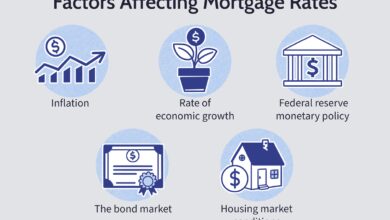
As of 2024, mortgage rates have fluctuated due to inflation, Federal Reserve policies, and economic uncertainty. Understanding current trends helps borrowers make timely decisions.
Rate Spread Between 30 and 15-Year Loans
The spread between 30 and 15-year mortgage rates has remained relatively consistent, averaging 0.5% to 0.8%. This spread makes the 15-year option increasingly attractive when rates are high.
30 year vs 15 year mortgage loan rates – 30 year vs 15 year mortgage loan rates menjadi aspek penting yang dibahas di sini.
- Narrower spreads favor 15-year loans
- Wider spreads may make 30-year loans more appealing
- Monitor trends via Freddie Mac’s Primary Mortgage Market Survey
Impact of Economic Conditions
Inflation, employment rates, and Fed interest rate decisions directly influence mortgage rates. When the Fed raises rates to combat inflation, mortgage rates typically follow.
- High-rate environments favor shorter-term loans
- Low-rate environments allow more flexibility with 30-year loans
- Refinancing activity drops when rates rise
Which mortgage term is better: 30-year or 15-year?
There’s no one-size-fits-all answer. The 30-year mortgage offers lower monthly payments and greater flexibility, making it ideal for first-time buyers or those prioritizing cash flow. The 15-year mortgage saves significantly on interest and builds equity faster, best for those with stable income who want to be debt-free sooner.
30 year vs 15 year mortgage loan rates – 30 year vs 15 year mortgage loan rates menjadi aspek penting yang dibahas di sini.
Can I switch from a 30-year to a 15-year mortgage later?
Yes, you can refinance from a 30-year to a 15-year mortgage. However, this may involve closing costs and requires qualifying based on current income, credit, and home equity. It’s a smart move if your financial situation improves.
Do 15-year mortgages have lower interest rates than 30-year loans?
Yes, 15-year mortgages typically have lower interest rates—usually 0.5% to 0.75% lower—because they pose less risk to lenders and are paid off faster.
How much can I save with a 15-year mortgage?
Savings depend on loan amount and rates, but on a $300,000 loan, you can save over $200,000 in interest with a 15-year mortgage compared to a 30-year loan, despite higher monthly payments.
Is it better to invest extra money or pay off my mortgage faster?
It depends on your risk tolerance and expected returns. If you can earn more in the stock market (historically 7–10%) than your mortgage rate (e.g., 6.5%), investing may be better. If you prefer guaranteed returns and debt freedom, paying off your mortgage faster wins.
Choosing between 30 year vs 15 year mortgage loan rates is one of the most impactful financial decisions you’ll make. The 30-year mortgage offers affordability and flexibility, ideal for those managing tight budgets or planning to invest surplus funds. The 15-year mortgage delivers long-term savings, faster equity, and early financial freedom, perfect for disciplined borrowers with stable incomes. By understanding the trade-offs in monthly payments, total interest, equity growth, and opportunity cost, you can align your choice with your personal goals. Whether you prioritize short-term comfort or long-term wealth, the right mortgage term can set the foundation for decades of financial stability. Always consult with a financial advisor or mortgage specialist to evaluate your unique situation before deciding.
Further Reading: